
Funeral Director Robert Bush Sentenced to 20 Years for Body Disposal Crimes
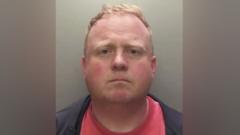
Funeral Director Robert Bush Receives 20-Year Prison Sentence
A former funeral director has been handed a significant prison sentence following serious crimes involving the mishandling of deceased individuals and cremation services. Robert Bush, the central figure in this high-profile case, received a 20-year conviction that sent shockwaves through the funeral industry and left countless families devastated.
The Scope of Criminal Activities
The charges against this funeral director revealed a pattern of severe negligence and fraud that violated the trust of grieving families during their most vulnerable moments. Rather than providing the respectful services promised, Robert Bush systematically failed to properly handle burial arrangements and cremation procedures for numerous clients.
Failures in Burial Services
Families who entrusted their loved ones to Bush's funeral home discovered that proper burial procedures were never completed. The funeral director failed to bury bodies according to the agreements made with bereaved relatives, leaving families without the closure they deserved. These failures represented a fundamental breach of professional responsibility and legal obligation.
Cremation Fraud and Misidentification
Perhaps most egregiously, the funeral director's misconduct extended to cremation services, where documentation showed he failed to cremate the correct individuals. In multiple instances, families received ashes believing they had recovered their loved ones' remains, only to discover they had been given the cremated ashes of complete strangers.
This cremation fraud caused immeasurable emotional harm to affected families who unknowingly placed remains in memorial urns, scattered ashes at meaningful locations, or held services based on false identifications. The psychological impact of discovering such deception created lasting trauma for many households.
Legal Consequences and Justice
The 20-year prison sentence reflects the severity of crimes committed by the funeral director and demonstrates the judicial system's commitment to protecting consumers from funeral home exploitation. The conviction covered multiple counts related to improper handling of remains and fraud against bereaved customers.
Industry-Wide Implications
This case has prompted renewed scrutiny of funeral industry practices and licensing requirements. Regulatory bodies are now examining oversight mechanisms to prevent similar incidents and ensure funeral directors maintain proper credentials and follow established protocols for handling, burial, and cremation services.
Impact on Bereaved Families
Survivors affected by the funeral director's actions have faced the dual trauma of losing loved ones and then being victimized by professional fraud. Many families have sought civil remedies and continue to advocate for stronger industry regulations to protect others from similar experiences.
The case serves as a stark reminder of the importance of accountability within the funeral services industry and the need for robust oversight to protect vulnerable individuals during their times of grief.


