
Germany Reconsiders Coal Power Plants Amid Energy Crisis
Germany's Strategic Energy U-Turn
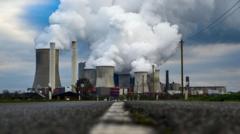
Coal-powered electricity is emerging as a critical consideration in Germany's energy strategy, as the nation grapples with unprecedented challenges in its transition away from fossil fuels. The dramatic surge in natural gas prices has forced policymakers to reassess their long-standing commitment to phase out coal entirely, creating a complex energy dilemma that threatens the country's economic stability and industrial competitiveness.
The Rising Cost of Natural Gas
The exceptional increase in natural gas prices across Europe has fundamentally altered Germany's energy calculus. Following geopolitical tensions and supply disruptions, wholesale gas prices have reached levels unseen in recent years, making traditional natural gas-fired power generation considerably more expensive than previously anticipated. This cost explosion has inadvertently made coal-powered electricity comparatively more economical in the short to medium term.
Germany, Europe's largest economy and industrial powerhouse, faces mounting pressure to ensure stable and affordable energy supplies for its manufacturing sector and residential consumers. The nation's heavy reliance on imported natural gas, combined with reduced supplies from traditional sources, has created an urgent need to explore alternative energy sources that can bridge the gap during this transition period.
The Historical Coal Phase-Out Plan
Germany had committed to a comprehensive phase-out of coal power by 2038, as part of its ambitious Energiewende (energy transition) program. This decades-long plan aimed to establish the nation as a global leader in renewable energy adoption while simultaneously reducing carbon emissions. Coal-powered electricity generation was slated to diminish progressively, with renewables and natural gas intended to serve as the primary interim energy sources.
The initial strategy relied heavily on the assumption that natural gas prices would remain stable and competitive. However, recent global market volatility has exposed the vulnerabilities in this approach, prompting energy officials to reconsider the pace and mechanism of the coal phase-out.
Reconsidering Energy Sources
The government's recent assessments suggest that maintaining certain coal-powered electricity facilities might be necessary to ensure grid stability and energy security. Rather than a complete abandonment of coal infrastructure, policymakers are exploring a more gradual transition that incorporates multiple energy sources simultaneously. This pragmatic approach acknowledges the reality that renewable energy expansion, while essential, cannot immediately replace the baseload power historically provided by coal facilities.
Coal-powered electricity plants, particularly those equipped with modern emissions control technologies, could serve as strategic reserves during periods of high demand or insufficient renewable generation. This flexibility would provide a crucial safety valve for Germany's energy system while investments in wind, solar, and battery storage infrastructure continue to develop.
Economic and Industrial Implications
The persistence of high natural gas prices poses significant challenges for German manufacturing, which depends on reliable and affordable energy supplies. Industrial sectors, including chemicals, steel production, and mechanical engineering, face potential competitiveness losses if energy costs remain elevated. By maintaining options for coal-powered electricity generation, Germany aims to protect its industrial base while gradually transitioning toward cleaner alternatives.
Energy security considerations also weigh heavily in these deliberations. Diversifying energy sources reduces dependence on single suppliers or market fluctuations, providing greater resilience to external shocks and supply interruptions that could compromise national economic interests.
Environmental and Climate Considerations
While coal-powered electricity generation remains controversial from an environmental perspective, modern coal facilities incorporate advanced pollution control systems that significantly reduce harmful emissions. Germany's potential reconsideration does not represent an abandonment of climate commitments but rather a more flexible timeline that acknowledges real-world constraints and market conditions.
The sustainability community remains divided on this issue, with some recognizing the practical necessity of interim energy sources, while others maintain that accelerating renewable deployment offers a superior long-term solution. The debate underscores the complexity of managing simultaneous objectives: economic stability, energy security, and environmental protection.
Future Energy Strategy
Germany's evolving energy policy reflects a broader recognition that successful transitions require realistic timelines and adaptive strategies. The nation continues investing substantially in renewable infrastructure, including offshore wind farms and solar installations, while simultaneously addressing immediate energy security needs. This balanced approach prioritizes both long-term climate objectives and near-term economic stability, ensuring that coal-powered electricity remains available as a transitional resource rather than a permanent fixture in the energy mix.


