
Glacier Collapse Sparked Catastrophic Nepal-Tibet Flooding Event
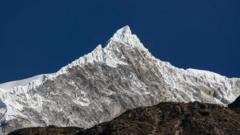
Glacier Collapse Floods: Scientists Identify Primary Cause
Recent investigations by climate researchers have determined that a glacier collapse floods scenario in the Himalayan region stands as the primary catalyst behind the catastrophic inundation affecting Nepal and Tibet. This significant discovery underscores the growing vulnerability of mountain ecosystems to rapid environmental transformation and emphasizes the critical role of glacial stability in regional water management and disaster prevention.
Understanding the Mechanism of the Disaster
The glacier collapse floods event occurred when massive sections of ice, weakened by sustained temperature increases, suddenly detached and descended into valleys below. This phenomenon resulted in an unprecedented surge of water and debris that swept through populated areas with tremendous force. Researchers examining the aftermath identified distinctive geological markers and ice fragment deposits that conclusively pointed to glacial disintegration as the triggering mechanism rather than conventional landslides or precipitation events.
Scientific Evidence Supporting the Analysis
Field teams deployed to the affected regions gathered comprehensive data including satellite imagery, geological surveys, and eyewitness testimonies. The physical evidence collected at the site revealed massive quantities of glacial ice remnants scattered across lower elevations. Temperature records from monitoring stations throughout the Himalayan zone demonstrated elevated seasonal warming patterns consistent with accelerated glacier deterioration. These multifaceted findings collectively established a compelling scientific basis for attributing the glacier collapse floods to climatic factors rather than seismic or meteorological causes.
Broader Implications for Himalayan Ice Melt
The incident represents a sobering reminder of the accelerating pace at which Himalayan ice reserves are diminishing. Scientists emphasize that this represents merely one manifestation of a broader crisis affecting mountainous regions globally. The glacier collapse floods event serves as a measurable indicator of climate system dysfunction, with profound ramifications extending far beyond Nepal and Tibet into downstream regions dependent on glacial water supplies.
Climate Change and Glacial Vulnerability
Research institutions monitoring Himalayan glacier health document consistent year-over-year retreat patterns that have intensified substantially over the past three decades. Temperature anomalies documented by meteorological agencies reveal warming rates exceeding global averages in high-altitude regions. These conditions destabilize glacial structures by promoting internal melting and reducing the mechanical integrity that maintains massive ice formations intact. Consequently, the probability of future glacier collapse floods events escalates proportionally with continuing climatic warming trends.
Impact on Regional Communities and Infrastructure
The flooding unleashed by the glacier collapse floods destroyed critical infrastructure, displaced substantial populations, and disrupted agricultural production across multiple jurisdictions. Communities situated in river valleys downstream experienced inundation with minimal warning capacity, resulting in significant humanitarian consequences. Economic assessments indicate extensive property damage, livestock losses, and infrastructure reconstruction requirements spanning years.
Response and Future Preparedness
Government agencies and international organizations mobilized emergency response operations following the glacier collapse floods event. Relief efforts focused on search and rescue operations, medical interventions, and temporary shelter provisions for displaced residents. Beyond immediate humanitarian response, authorities initiated discussions regarding early warning systems, evacuation planning, and long-term adaptation strategies for communities vulnerable to glacial hazards.
Scientific institutions advocated for enhanced monitoring infrastructure, including advanced sensor networks and predictive modeling capabilities designed to provide earlier detection of dangerous glacier instability. Investment in such technological systems could potentially provide crucial hours or days of advance warning for residents inhabiting downstream zones.
Global Context and Climate Research Priorities
The glacier collapse floods incident catalyzed renewed international focus on alpine region vulnerability assessments. Research funding allocations increasingly emphasize glacier dynamics investigation and glacial hazard forecasting methodologies. Scientists from multiple nations coordinated collaborative studies examining similar high-risk glacier formations throughout Central Asia and other mountainous zones.
The disaster illuminates the urgent necessity for comprehensive climate mitigation strategies aimed at reducing atmospheric carbon concentrations and moderating temperature escalation in sensitive geographic regions. Additionally, adaptation frameworks addressing glacier-dependent water security require prioritization across governmental and intergovernmental planning mechanisms to protect vulnerable populations from future glacier collapse floods catastrophes.


