
Guinea Landfill Disaster Claims 30 Lives
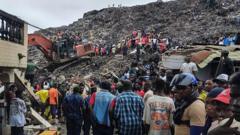
Guinea Landfill Collapse Kills 30 in Capital
A catastrophic Guinea landfill collapse has resulted in at least 30 deaths after a massive mound of accumulated waste material gave way and buried multiple residential structures in the nation's capital. Government authorities confirmed the tragic incident, which has brought renewed attention to the management practices at one of the region's largest waste disposal facilities.
The Disaster Unfolds
The incident occurred when the towering accumulation of refuse at the major waste site unexpectedly collapsed, sending tons of debris cascading down onto nearby homes. The sudden failure of the garbage heap caught residents off guard, as many were unaware of the structural risks posed by the improperly maintained landfill. Emergency response teams were quickly deployed to the scene to conduct rescue operations and assess the full extent of the damage.
Scope of Destruction
Multiple families lost their homes in the disaster, with authorities confirming that several residential buildings were completely buried beneath the avalanche of waste material. The rubbish mound collapse destroyed property and left numerous residents displaced, requiring immediate humanitarian assistance and temporary shelter arrangements. Recovery efforts have been ongoing as search and rescue teams continue to comb through the debris.
Government Response
Officials from Guinea's government have acknowledged the severity of the waste site disaster and announced investigations into what caused the structural failure. Preliminary assessments suggest that inadequate waste management protocols, insufficient compaction procedures, and lack of proper containment barriers contributed to the catastrophic event. The government has pledged to review safety standards across all major landfill operations throughout the country.
Safety Concerns
The capital landfill tragedy has raised serious questions about waste management infrastructure and environmental oversight in Guinea. Experts emphasize that properly maintained landfills require regular monitoring, appropriate soil stabilization, and engineered drainage systems to prevent such disasters. The collapse underscores the critical importance of investing in modern waste disposal technology and trained personnel.
Impact on Local Communities
Beyond the immediate loss of life, the disaster has devastated surrounding communities. Families have lost everything, and the psychological trauma of such a sudden catastrophe continues to affect survivors. Local authorities have established aid centers and are distributing emergency supplies to those affected by the environmental hazard. Community leaders are calling for comprehensive reforms to prevent similar incidents.
International Attention
The incident has garnered international attention from environmental organizations and humanitarian agencies. International bodies are offering technical assistance and resources to help Guinea improve its waste management systems. The disaster serves as a stark reminder of the dangers posed by inadequate infrastructure in developing nations.
Long-term Solutions
In response to the crisis, Guinea's government has announced plans to upgrade existing landfills and implement stricter regulatory frameworks for waste management operations. Officials are exploring partnerships with international waste management companies to introduce modern technologies and best practices. Training programs for landfill operators are also being developed to enhance safety protocols and reduce environmental risks.
Moving Forward
The path to recovery for affected families will be lengthy and challenging. Compensation programs and reconstruction efforts are being discussed by government officials. The tragedy has catalyzed important conversations about infrastructure investment and the need for sustainable development practices across the region.
The Guinea landfill collapse stands as a somber testament to the consequences of neglected waste management systems and serves as a urgent call for action to prevent future disasters.


