H5 Bird Flu Arrives in Australia: What You Must Know
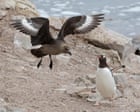
H5 Bird Flu Reaches Australian Mainland
A critical wildlife threat has emerged as H5 bird flu has officially arrived on the Australian mainland, marking a significant development for the nation's ecosystem and agricultural sector. Federal Agriculture Minister Julie Collins confirmed this alarming news over the weekend, identifying the H5N1 virus in a brown skua discovered in Western Australia. This infected wild migratory bird represents the first documented case of H5 bird flu in mainland Australia, triggering urgent responses from health and environmental authorities.
Understanding the H5N1 Virus
The H5N1 strain of bird flu belongs to a family of avian influenza viruses that primarily affect bird populations across the globe. H5 bird flu has been circulating internationally for years, causing significant mortality rates in wild birds and poultry flocks wherever it emerges. The virus is highly contagious among avian species and spreads rapidly through direct contact with infected birds or contaminated environments.
This particular strain has demonstrated concerning characteristics in other regions, including high mortality rates in various bird species and the capacity to spread across vast distances through migratory bird populations. The arrival of H5N1 in Australia suggests potential introduction through international bird migration patterns or other transmission routes still under investigation.
How H5 Bird Flu Spreads
The transmission of H5 bird flu occurs primarily through direct contact between infected and healthy birds. Migratory birds, like the brown skua found in Western Australia, can carry the virus across continents during their seasonal movements. The skua's role as a migratory species highlights the challenges in containing avian influenza, as these birds travel between multiple countries and regions throughout their annual cycles.
Environmental contamination plays another crucial role in virus transmission. Infected birds shed the virus through respiratory secretions and feces, contaminating water sources, feeding areas, and nesting sites. Other birds accessing these contaminated environments face significant infection risk.
Human Health Risk Assessment
A primary concern for public health authorities involves potential transmission to humans. Current scientific evidence suggests that direct human-to-human transmission of H5 bird flu remains extremely rare. The virus requires close contact with infected birds or their bodily fluids to transmit to humans, and even then, transmission probability remains low.
However, individuals working closely with infected bird populations—including veterinarians, wildlife handlers, and agricultural workers—face elevated exposure risks compared to the general public. Appropriate personal protective equipment and handling protocols are essential for these professions. Health authorities have emphasized that standard food handling practices and proper cooking of poultry eliminate any food safety risks associated with H5N1.
Impact on Australia's Agricultural Sector
The detection of H5 bird flu in Australia presents substantial challenges for the poultry industry and broader agricultural economy. Commercial chicken and turkey operations represent significant economic contributors to Australian agriculture, and avian influenza outbreaks threaten production capabilities and export markets.
Biosecurity measures have been implemented to prevent spread from wild bird populations to domestic flocks. Farmers are advised to maintain strict quarantine protocols, monitor bird health closely, and report any unusual mortality events immediately. International trade restrictions may apply to Australian poultry products if the outbreak expands, potentially affecting export revenues and market access.
Wildlife Consequences and Ecological Impact
The emergence of H5 bird flu in Australia poses substantial risks to native wildlife populations. Seabirds, waterfowl, and other avian species face vulnerability to this deadly pathogen. The brown skua case demonstrates how rapidly the virus can affect wild populations once introduced.
Migratory bird species present particular concerns, as they may transport the virus to breeding grounds and new territories. Conservation efforts for endangered bird species could be complicated by avian influenza outbreaks. Wildlife rehabilitation centers and researchers working with affected populations require specialized protocols and protective measures.
Expert Recommendations and Response Measures
Health and environmental experts have outlined comprehensive response strategies. Surveillance programs monitor wild bird populations for additional H5 bird flu cases. Testing protocols have been established for sick or deceased birds, enabling rapid identification and containment measures.
Public advisories recommend avoiding contact with sick or dead wild birds and reporting unusual bird mortality to authorities. Communities near affected areas should remain vigilant and report concerning bird behavior to appropriate agencies. Pet owners should supervise outdoor animals to minimize potential exposure risks.
Looking Forward
As Australia addresses this emerging threat, continued cooperation between agricultural, health, and environmental agencies remains essential. Ongoing monitoring will determine whether H5 bird flu becomes established in Australian wildlife or remains an isolated incident. The brown skua case serves as a stark reminder of how interconnected global bird populations create pathways for disease transmission, requiring sustained vigilance and preparedness from all relevant sectors and communities.