
Hamas Disarmament Plan: Navigating Complex Path Toward Gaza Peace
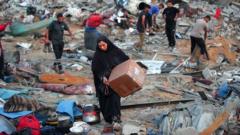
Hamas Disarmament Plan: A Complex Path Forward
The proposed Hamas disarmament plan represents one of the most ambitious attempts to reshape the security landscape in Gaza, yet the Hamas disarmament plan faces formidable obstacles rooted in decades of conflict, political mistrust, and devastating humanitarian consequences. Despite these daunting challenges, observers argue that this initiative offers a glimmer of optimism in a region long characterized by cyclical violence and failed diplomatic endeavors.
Political Complexity and Trust Deficits
The intricate political environment surrounding any potential agreement remains the foremost obstacle to successful implementation. Stakeholders operate within frameworks built on decades of mutual suspicion, competing national interests, and deeply entrenched ideological positions. International actors, Palestinian factions, regional powers, and Israeli leadership each bring divergent priorities to the negotiating table, making consensus extraordinarily difficult to achieve.
The fundamental lack of trust between parties creates a paralyzing dynamic. Previous agreements have foundered precisely because verification mechanisms proved impossible to enforce, and parties routinely accused one another of bad faith compliance. These historical precedents continue to haunt contemporary negotiations, as decision-makers remain skeptical about whether any assurances could guarantee lasting adherence to disarmament commitments.
The Human Cost and War's Destruction
The extraordinary loss of life experienced throughout the conflict adds profound moral weight to ongoing discussions. Thousands of casualties, widespread civilian suffering, and displacement have created deep psychological wounds that transcend typical diplomatic calculations. Families mourning lost loved ones, communities rebuilding from rubble, and survivors bearing visible and invisible trauma form the tragic backdrop against which peace negotiations must proceed.
The physical devastation across Gaza compounds these human tragedies. Infrastructure destruction, economic collapse, and the systematic breakdown of essential services create practical impediments to any peace framework. Reconstruction efforts require resources, security guarantees, and international cooperation—prerequisites that remain elusive given the current geopolitical environment.
Security Architecture Challenges
Designing credible disarmament mechanisms presents unprecedented technical challenges. Any agreement would require establishing independent verification systems, international oversight mechanisms, and enforcement protocols capable of preventing weapons smuggling, clandestine rearmament, and the maintenance of parallel military structures. Historical examples of disarmament initiatives worldwide demonstrate how readily such arrangements can deteriorate without robust implementation frameworks.
Regional dynamics further complicate security arrangements. Neighboring states maintain their own strategic interests, militia groups operate outside formal government control, and non-state actors possess motivations independent from official negotiations. These actors could potentially undermine disarmament efforts through alternative supply chains or by fueling renewed conflict whenever agreement terms appear threatened.
Reasons for Cautious Optimism
Despite these formidable obstacles, the Hamas disarmament plan merits serious consideration as a potential turning point. The very fact that serious discussions are occurring suggests evolving positions among previously intransigent parties. Diplomatic engagement, even amid substantial disagreement, represents progress compared to previous stalemates.
The humanitarian imperative for change cannot be overstated. Continued conflict perpetuates suffering for hundreds of thousands of civilians whose lives remain suspended in instability. Economic reconstruction, educational advancement, and normal development become impossible within frameworks of persistent violence. This recognition increasingly resonates across civil society, diaspora communities, and portions of the international community.
Additionally, certain structural factors might facilitate agreement. International pressure for resolution has intensified, regional realignments have created unexpected diplomatic openings, and technological advances now enable verification approaches previously impossible. These variables, combined with exhaustion among populations enduring decades of conflict, create potential conditions for breakthrough negotiations.
Looking Forward
The path toward successful implementation of any Hamas disarmament initiative demands extraordinary diplomatic skill, international commitment, and good-faith engagement from all parties. Success remains uncertain, yet the attempt itself signals that alternatives to endless conflict retain possibility. The enormous human stakes—measured in lives saved, children's futures secured, and communities restored—justify sustained effort despite overwhelming complexities.


