
Heatwave Vegetables: Ugly Produce That's Perfectly Safe to Eat
Heatwave Vegetables: Understanding the Impact on British Produce
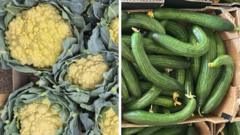
British consumers are increasingly encountering heatwave vegetables with unusual appearances in supermarket aisles and farmers markets across the country. These wonky vegetables, including sun-tanned cauliflowers and distinctly knobbly spuds, represent a growing trend as climate patterns shift and temperatures soar during summer months. Rather than representing inferior quality, heatwave vegetables demonstrate nature's remarkable adaptation to extreme weather conditions.
What Causes Unusual Vegetable Shapes?
The formation of misshapen vegetables during periods of intense heat results from several interconnected agricultural factors. When crops experience prolonged exposure to elevated temperatures and fluctuating moisture levels, their growth patterns become unpredictable. Cauliflowers develop an uneven, darkened exterior—often described as sun-tanned—due to excessive ultraviolet radiation exposure. Meanwhile, potatoes grown under heat stress frequently develop irregular bumps and knobby surfaces that distinguish them from conventionally smooth varieties.
Heatwave vegetables aren't limited to these two examples. Carrots become twisted, lettuce heads fail to form properly, and tomatoes develop unusual colorations and surface irregularities. These visual changes occur because plants redirect their energy toward survival mechanisms rather than producing aesthetically uniform produce.
Safety and Nutritional Value of Heat-Stressed Produce
A critical concern for shoppers involves whether these heatwave vegetables remain safe for consumption. Agricultural experts and food safety officials confirm that wonky vegetables are entirely safe to eat. The external deformities that characterize heat-damaged produce pose no health risks whatsoever. In fact, many misshapen vegetables maintain or exceed the nutritional content of their perfectly formed counterparts.
The nutritional profile of heat-stressed produce often surprises consumers. Cauliflowers subjected to sun exposure sometimes develop enhanced antioxidant levels as a protective response. Knobbly potatoes contain the same vitamins, minerals, and dietary fiber as smooth-skinned varieties. The appearance simply doesn't correlate with nutritional value or food safety standards.
Market Trends and Consumer Expectations
Retailers and producers across Britain are preparing for increased supplies of unusual vegetables as heatwaves become more frequent occurrences. Supermarket chains have begun educating shoppers about wonky vegetables through informational campaigns and revised labeling practices. Many retailers now openly market heatwave vegetables with transparency about their origins and characteristics.
Consumer attitudes toward misshapen vegetables are gradually shifting. Environmental consciousness and sustainability awareness encourage people to accept that perfect uniformity isn't natural or necessary. Purchasing wonky vegetables reduces food waste and supports farmers facing unprecedented growing challenges.
Environmental and Agricultural Implications
The prevalence of heat-damaged produce highlights broader climate change effects on UK agriculture. Farmers must adapt cultivation techniques, irrigation strategies, and crop selection to accommodate increasingly extreme temperatures. Growing heatwave vegetables successfully requires innovation in agricultural practices and crop variety selection.
Many agricultural organizations are researching heat-resistant crop varieties that maintain conventional appearances while withstanding elevated temperatures. These efforts represent long-term solutions to ensuring consistent vegetable supplies despite climate volatility. Meanwhile, heatwave vegetables currently represent an immediate reality that producers and consumers must collectively embrace.
Preparing and Enjoying Unusual Vegetables
Cooking methods for wonky vegetables remain identical to standard produce preparation techniques. Sun-tanned cauliflowers roast beautifully, develop caramelized flavors, and provide exceptional taste experiences. Knobbly potatoes work wonderfully in soups, stews, and traditional British dishes. Appearance truly doesn't affect culinary outcomes or flavor development.
Home cooks should feel confident preparing heatwave vegetables using their preferred recipes and cooking methods. The only preparation difference involves thorough washing to remove any soil residue from irregular surfaces. Otherwise, misshapen vegetables integrate seamlessly into meal planning and preparation.
Supporting British Agriculture Through Acceptance
Purchasing heatwave vegetables directly supports British farmers navigating unprecedented climate challenges. Every wonky vegetable purchased represents acknowledgment of agricultural struggles and commitment to local food production. This consumer choice helps stabilize agricultural economies facing significant uncertainty.
As heatwaves continue reshaping Britain's agricultural landscape, acceptance of unusual vegetables becomes increasingly important. Wonky cauliflowers and knobbly potatoes aren't failures—they're successful harvests adapted to extreme conditions. British shoppers embracing these heatwave vegetables contribute meaningfully to sustainable food systems while enjoying perfectly safe, nutritious produce.


