Heatwaves Triggering Falls and Dizziness Among Elderly
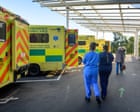
Heatwaves Creating Critical Health Challenge for Elderly Patients
Emergency medicine specialists across the United Kingdom are documenting a significant increase in heat-related injuries affecting elderly populations, with heatwaves triggering a concerning rise in falls and associated complications within accident and emergency departments. Healthcare professionals report that extreme temperatures are directly contributing to dangerous incidents that leave vulnerable patients with severe fractures and long-term injuries.
Dr Adrian Boyle, an emergency medicine consultant at Addenbrooke's Hospital in Cambridge, highlights the gravity of the situation facing frontline staff. During the five major heatwaves experienced throughout the summer season, emergency departments witnessed unprecedented numbers of elderly patients presenting with dizziness and loss of balance caused directly by excessive heat exposure.
Understanding Heat-Related Dizziness and Balance Problems
The physiological response to extreme heat creates multiple pathways for injury in elderly individuals. When temperatures soar, the body struggles to maintain optimal temperature regulation, leading to dizziness, disorientation, and compromised balance. These symptoms become particularly dangerous for seniors who may already experience age-related balance issues or take medications affecting their equilibrium.
One documented case illustrates the severity of outcomes. An elderly patient became light-headed and dizzy due to heat exposure, subsequently losing balance and falling down an entire staircase. The resulting injuries included multiple fractured ribs, a broken wrist, and a fracture to the lower leg—injuries that require extensive treatment and significantly impact recovery prospects for older populations.
The Cascading Effect on Emergency Services
Heatwaves are placing unprecedented pressure on NHS resources during the very conditions that make emergency response most challenging. Hospital staff are managing normal operational demands while simultaneously navigating sweltering working environments and treating a surge of heat-related casualties. The combination creates a stressful environment for healthcare workers already stretched thin by competing priorities.
Why Elderly Populations Face Greater Risk
Older adults represent the demographic most vulnerable to heat-related health emergencies. This increased susceptibility stems from several interconnected factors. Many elderly individuals have reduced ability to perceive temperature changes or respond appropriately to overheating. Chronic health conditions, cardiovascular medication use, and decreased water intake further compromise heat tolerance in senior populations.
The thermoregulatory systems in aging bodies function less efficiently than in younger adults, meaning elderly people cannot cool themselves as effectively through sweating and other natural mechanisms. Additionally, many seniors live in properties with limited ventilation or remain socially isolated, restricting access to cooler environments during dangerous heat events.
Hospital Staff Confronting Dual Challenges
Emergency department professionals face simultaneous pressures during extreme heat events. Beyond managing increased patient numbers suffering heat-related injuries and illnesses, medical and nursing staff must work within hospitals that often lack adequate cooling systems. The combination of treating critically ill patients while operating in stifling conditions creates occupational health risks for healthcare workers themselves.
Doctors and nurses report experiencing exhaustion, reduced concentration, and heat-related symptoms while providing emergency care. This occupational stress threatens care quality and worker wellbeing during precisely the periods when patient demand reaches peak levels.
Broader Health Impacts Beyond Falls
While falls represent the most visible emergency department presentation, heatwaves trigger diverse health complications across elderly populations. Heat exhaustion, heat stroke, dehydration, and exacerbation of existing chronic conditions all increase demand on emergency services during temperature extremes. Patients with cardiac conditions, respiratory diseases, and renal problems face elevated mortality risk during sustained heat exposure.
The interconnected nature of heat-related health impacts means that emergency services must prepare for diverse medical presentations, not simply skeletal injuries from falls. This requires comprehensive emergency preparedness and coordination across healthcare systems.
Looking Forward: Health System Preparedness
As climate patterns indicate increasing frequency of extreme heat events, healthcare systems must develop robust protocols for managing surges in heat-related illness and injury. Emergency departments require additional staffing, cooling infrastructure improvements, and specialized training in treating elderly patients during temperature extremes.
Public health initiatives must simultaneously focus on community-level protection strategies, educating elderly populations about heat risks and establishing support systems for vulnerable individuals during dangerous weather periods. Coordinated response across health services, social care, and community organizations offers the most effective pathway for protecting elderly citizens from preventable heat-related harm.