
Indian Medical Exam Resit: Enhanced Security Measures After Paper Leak Allegations
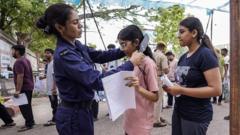
Medical Examination Resit Conducted Under Heightened Scrutiny
Indian authorities have implemented comprehensive medical exam security measures to address concerns following allegations of unauthorized paper distribution. Millions of aspiring medical professionals are navigating through intensified screening procedures as educational institutions work to restore confidence in the examination process and maintain academic integrity across the nation.
Biometric Verification and Physical Screening
The administration has rolled out mandatory biometric authentication for all participants entering examination centers. Each candidate undergoes thorough biometric checks to establish positive identification before gaining access to testing facilities. These technological safeguards represent a significant enhancement compared to previous examination protocols, demonstrating the commitment to preventing unauthorized access and ensuring that only registered candidates can participate.
Beyond biometric systems, physical frisking procedures have become mandatory for all individuals, including students, invigilators, and staff members. This multi-layered approach ensures that no prohibited materials or electronic devices can enter examination halls, substantially reducing the risk of paper leaks or information transmission during the testing period.
Military Deployment for Enhanced Oversight
In an unprecedented move, the Indian Air Force has been deployed to secure examination materials and oversee secure transportation of question papers. Military personnel are stationed at distribution points and examination venues to provide additional security infrastructure. This involvement reflects the gravity with which authorities are treating the alleged breach and demonstrates the institutional commitment to preventing similar incidents from occurring in future examination cycles.
Background of the Paper Leak Allegations
The examination resit became necessary following serious allegations that question papers were compromised before the official examination date. These Indian students examination fraud concerns prompted educational authorities to cancel the original examination and reschedule testing under completely revised protocols. The decision affected millions of medical aspirants preparing for professional licensing examinations throughout the country.
Investigators have been working to identify the source of the alleged leak and determine how unauthorized distribution occurred. The findings from these investigations have directly informed the enhanced security architecture now in place for the resit examination.
Comprehensive Security Protocol Implementation
The resit examination represents the most secure testing environment deployed by Indian medical education authorities in recent history. Beyond biometric and military involvement, additional measures include:
Sealed and tamper-evident packaging for all examination materials, with multiple verification checkpoints throughout the distribution chain. Randomized examination center assignments to prevent prediction or manipulation of logistics. Real-time monitoring and communication systems among all examination centers and coordination offices. Background verification of all personnel involved in paper printing, transportation, and administration.
Impact on Candidates and Testing Environment
While security enhancements protect examination integrity, millions of medical candidates have reported that the enhanced security protocols create additional stress during an already demanding testing experience. However, educational authorities maintain that temporary inconvenience is necessary to ensure fair competition and maintain the credibility of medical licensing qualifications.
Examination centers have been instructed to begin screening procedures several hours before official test commencement, allowing sufficient time for biometric processing and frisking without delaying the examination schedule. This planning ensures that security measures do not compress actual testing time or disadvantage candidates.
Restoring Public Confidence in Educational Systems
The comprehensive response to the exam paper leak prevention represents broader institutional efforts to strengthen examination governance across India's educational sector. Medical authorities recognize that public confidence in medical licensing examinations directly affects the credibility of practicing physicians and the quality of healthcare delivery.
Government statements emphasize that maintaining examination security standards protects not only test-taking fairness but also public safety, as medical professionals need authentic qualification verification. The investment in security infrastructure signals institutional commitment to these principles.
Future Implications for Educational Testing
This examination resit and its associated security measures are likely to influence testing protocols across additional educational sectors and examination bodies throughout India. Other professional licensing examinations may adopt similar biometric authentication exams procedures and military oversight models for high-stakes testing events.
Educational technology companies are also responding by developing enhanced digital security systems for future examination administration, incorporating blockchain verification, real-time monitoring, and advanced encryption for question paper distribution. These technological investments reflect industry recognition that paper-based examination security requires continuous evolution to stay ahead of potential threats.
Candidate Preparation and Examination Day Procedures
Medical students preparing for the resit have been provided detailed guidance regarding security procedures, acceptable materials, and arrival time requirements. Examination authorities have conducted awareness campaigns explaining that security measures, while extensive, are designed to protect candidate interests and ensure that qualified medical professionals receive legitimate credentials.
The coordinated deployment of security resources, military personnel, and biometric systems demonstrates the scale and seriousness of India's response to the examination integrity concerns. As millions of candidates participate in the resit, the success of these enhanced security measures will provide important lessons for educational institutions globally managing high-stakes professional examinations.


