
Infantino Rivals Demand Resignation or Face Fifa Boycott
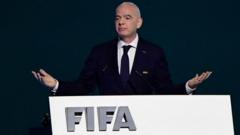
Infantino Faces Mounting Pressure to Resign
Senior officials from major football confederations are escalating their campaign against Gianni Infantino's continued leadership of Fifa, issuing ultimatums regarding Gianni Infantino resignation if he refuses to relinquish his position. Sources within Uefa have disclosed that prominent figures in international football are organizing coordinated pressure tactics aimed at forcing the president's immediate departure from his role.
The movement represents one of the most significant challenges to Infantino's authority since his election to lead world football's governing body. Opponents are warning of severe consequences should the embattled president attempt to retain his position through the upcoming election cycles.
Nature of Threatened Opposition Measures
The term "non-cooperation" signals a deliberate strategy to obstruct Infantino's policy initiatives and administrative decisions across multiple levels of international football governance. This encompasses potential withdrawal from collaborative projects, refusal to endorse Fifa directives, and the possibility of coordinated voting blocs opposing any proposals he advances.
Such measures would represent an unprecedented level of institutional resistance, fundamentally undermining the president's capacity to implement his agenda and execute his vision for football's future development. The threatened non-cooperation extends beyond ceremonial objections, instead targeting operational and financial dimensions of Fifa's activities.
Uefa Leadership's Stance on Fifa Governance
European football authorities have emerged as the primary architects of this resistance movement. Multiple Uefa representatives, speaking under conditions of anonymity, confirmed that regional confederations are aligning their positions to present a unified front against the incumbent administration. This coalition-building effort demonstrates the breadth and depth of dissatisfaction with current Fifa governance structures.
The Uefa non-cooperation threat carries particular weight given Europe's significant influence within Fifa's decision-making apparatus and its substantial financial contributions to international football initiatives. A coordinated European response could substantially impede Infantino's operational capacity.
Underlying Causes of the Uprising
While specific grievances remain somewhat veiled in official statements, sources indicate that discontent centers on controversial governance decisions, perceived conflicts of interest, and disagreements over resource allocation within Fifa's institutional framework. Critics contend that Infantino's leadership has departed from established operational protocols and accountability standards.
The Infantino opponents have accumulated various concerns regarding administrative transparency, decision-making processes, and the direction of international football governance. These tensions have apparently reached a critical threshold, prompting the formulation of explicit ultimatums.
Implications for International Football Governance
This Fifa governance crisis could fundamentally reshape how international football authorities operate and coordinate their activities. Should opponents successfully implement non-cooperation measures, the consequences would extend throughout competitive structures, sponsorship arrangements, and developmental programs administered by Fifa.
The potential bifurcation of international football governance structures represents an existential threat to Fifa's institutional cohesion. Major confederations withdrawing collaborative participation would necessitate fundamental reorganization of tournament scheduling, regulatory frameworks, and financial distribution mechanisms.
Timeline for Resolution
No official timeline has been established for either Infantino's potential resignation or the implementation of threatened non-cooperation measures. However, sources suggest that pressure will intensify as Fifa approaches its next Congress meeting, where formal voting procedures could determine the organization's future leadership direction. The developing situation requires careful monitoring as stakeholders position themselves for critical decisions ahead.


