
Infantino Unbothered by European Backlash Over Trump Ties
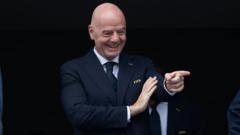
The Persistent Power of Infantino at FIFA
Gianni Infantino's position as FIFA president remains remarkably resilient despite growing European backlash over Trump intervention and various controversies surrounding his administration. After a decade leading world football's governing body, the Italian-Swiss executive has demonstrated an ability to weather political storms that would derail most international sports leaders. The Infantino Trump backlash that has emerged among European federations shows little sign of weakening his grip on power.
The controversy centers on FIFA's apparent alignment with political interests that clash with European values and governance standards. Critics argue that Infantino's openness to external political influence undermines the organization's independence and credibility. Yet despite vocal opposition from multiple continental associations, structural mechanisms within FIFA continue to favor the incumbent president's interests.
Understanding the Balogun Situation and Its Implications
The Folarin Balogun controversy has served as a focal point for broader concerns about Infantino's stewardship. The incident raised questions about fairness, governance, and the clarity of FIFA's decision-making processes. Nevertheless, observers recognize that isolated controversies, even those gaining significant media attention, rarely translate into actionable political challenges within FIFA's internal structures.
Balogun's situation highlighted potential gaps in how FIFA handles sensitive matters involving players, national associations, and eligibility determinations. The controversy prompted discussions about transparency and procedural consistency. However, the international football community has historically shown limited capacity to mount coordinated challenges against sitting FIFA presidents when those presidents command majority support among member associations.
Why European Opposition Faces Structural Barriers
European nations, despite their economic and political influence globally, represent only one continental bloc within FIFA's voting structure. While European federations command significant resources and media platforms, they must compete for influence against confederations from Africa, Asia, South America, and Oceania. Infantino has cultivated relationships across all continental confederations, thereby insulating himself from any single region's opposition.
The Trump intervention controversy has resonated particularly strongly among Western European nations that maintain strict separation between sports governance and political influence. However, this principled stance hasn't translated into the unified voting bloc necessary to challenge an incumbent president's reelection. Member associations from other regions have shown greater pragmatism regarding political engagement, viewing FIFA's openness to dialogue with powerful governments as beneficial to their own interests.
Historical Context of FIFA Leadership Challenges
FIFA's history demonstrates that removing an entrenched president requires extraordinary circumstances. Sepp Blatter's departure in 2015 followed criminal investigations and widespread corruption scandals—far more severe than current challenges facing Infantino. The organization's structure, with its congress of national associations voting on leadership decisions, tends to favor incumbents who have built coalitions and delivered tangible benefits to member nations.
Infantino has distributed resources through various FIFA initiatives, including expanded tournament formats and increased revenue sharing with member associations. These investments create constituencies with vested interests in his continued leadership. While European federations may object to his political positioning, other associations benefit materially from his tenure, making coordinated action difficult.
The Reality of Sustained Leadership Despite Controversy
Ten years into his presidency, Infantino has navigated multiple challenges that threatened his position. The European backlash over Trump intervention represents serious criticism but not an existential threat to his leadership. FIFA's governance structure, combined with Infantino's political acumen and careful cultivation of support across multiple continents, suggests his position remains secure.
Critics may view this outcome as unsatisfactory, arguing that stronger mechanisms should prevent sports leaders from accommodating political interests. Nevertheless, the practical reality is that international sports organizations often reflect broader geopolitical alignments and power dynamics. Infantino's ability to manage diverse interests while maintaining presidential authority demonstrates political competence within FIFA's unique institutional context.
Looking Forward: The State of FIFA Governance
The convergence of the Trump intervention controversy with the Balogun incident has intensified scrutiny of Infantino's leadership. European media outlets and federation representatives have articulated clear concerns about governance standards and political independence. Yet these criticisms occur within a framework where the FIFA president maintains structural advantages that make removal extraordinarily difficult.
As FIFA moves forward, the tension between reform advocates pushing for stricter governance standards and pragmatists accepting political realities will likely intensify. The European backlash will persist, potentially influencing how FIFA conducts business and manages external relationships. However, this pressure appears unlikely to dislodge Infantino from his powerful position in the foreseeable future, barring unforeseen developments of unprecedented magnitude.


