
Iran's Former Leader Laid to Rest: Tehran Funeral Events
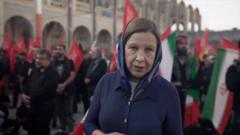
Iran's Former Supreme Leader Honored in Major Tehran Ceremony
The Tehran funeral has become the focal point of international attention as Iran pays respects to its former supreme leader. BBC's chief international correspondent Lyse Doucet provides comprehensive coverage from the ground, documenting the significant political and emotional dimensions of these unprecedented funeral events taking place across Tehran's major venues.
Ayatollah Ali Khamenei's passing marks a pivotal moment in Iranian politics and history. The funeral proceedings reflect the complex interplay between religious tradition, national mourning, and political representation that characterizes Iran's governance structure. Doucet's reporting captures the multifaceted nature of these ceremonies, examining how citizens and officials navigate both grief and political considerations during this consequential period.
Reporting from the Heart of Iran's Political Center
As the BBC's chief international correspondent, Lyse Doucet brings decades of experience covering Middle Eastern affairs and complex political situations. Her presence in Tehran during these funeral events provides crucial insight into how the nation processes the loss of one of its most influential figures. The Tehran funeral arrangements demonstrate the scale of Khamenei's impact on Iranian society and governance.
The Emotional Weight of Political Mourning
The funeral ceremonies underscore the intricate relationship between emotion and politics in Iran. Citizens from various walks of life have gathered to participate in these events, creating scenes that reflect both genuine personal loss and broader political expression. Doucet's observations highlight how individual grief intersects with collective national consciousness during moments of leadership transition.
These Tehran funeral proceedings are not merely ceremonial; they represent significant opportunities for the nation to demonstrate unity while simultaneously raising questions about succession and future political direction. The events have drawn attention from international observers seeking to understand Iran's internal dynamics and the implications for regional stability.
International Perspective on Leadership Transition
The BBC's coverage of the Tehran funeral provides global audiences with authentic reporting from within Iran. Doucet's position as chief international correspondent enables her to contextualize these events within broader geopolitical frameworks, explaining their significance beyond Iran's borders. Her reporting addresses how different international actors perceive these developments and what they might signal about Iran's future trajectory.
The funeral ceremonies serve as a window into Iranian society, revealing both continuities and tensions within the nation's power structures. By documenting these events firsthand, the BBC correspondent helps international audiences comprehend the complex emotions and political calculations at play during this transitional period.
Documenting a Nation in Transition
The Tehran funeral represents more than a ceremonial goodbye; it embodies questions about succession, institutional continuity, and Iran's role in regional affairs. Lyse Doucet's reporting captures the nuances that standard news reports might overlook, providing viewers with deeper understanding of how ordinary Iranians experience and interpret these monumental events. Her analysis connects personal testimonies with broader political implications, creating a comprehensive picture of this significant moment in Iranian history.


