
Israeli Military Kills Two Operatives in South Lebanon Ceasefire Row
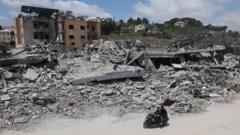
Israeli Troops Kill Two in South Lebanon During Ceasefire Period
Israeli troops kill south Lebanon residents in an incident that has reignited tensions between Israel and the Iran-backed militant group Hezbollah. According to Israeli military statements, the two individuals were identified as operatives affiliated with Hezbollah, the Lebanese armed organization backed by Tehran. The operation occurred during what was meant to be a period of reduced military engagement between the two adversaries.
Israel's Military Assessment of the Incident
The Israeli Defense Forces released an official statement characterizing the two killed individuals as active Hezbollah operatives engaged in hostile activities. Military officials maintained that their forces acted in accordance with security protocols and rules of engagement, responding to perceived threats in the region. The incident took place in the southern Lebanese border area, a zone that has witnessed repeated military confrontations between Israeli forces and Hezbollah fighters over recent months.
Israeli military sources indicated that the operation was conducted as part of ongoing security operations designed to protect Israeli civilians from potential cross-border threats. According to defense ministry statements, the operatives were engaged in activities that posed a direct security risk to Israeli communities near the Lebanese border.
Hezbollah's Counteraccusation of Ceasefire Violation
In response to the Israeli military's actions, Hezbollah has categorically rejected the characterization of the incident and accused Israel of violating the terms of the established ceasefire agreement. The Iran-backed militant organization released a statement denouncing what it described as a deliberate breach of the truce arrangement, claiming the operation undermined peaceful coexistence efforts in the region.
Hezbollah representatives argued that the incident represented a pattern of Israeli aggression and a disregard for the internationally-brokered agreement intended to reduce hostilities. The group's leadership emphasized that such actions threatened to destabilize the fragile peace arrangement and could trigger further escalation in the conflict.
Context of Regional Tensions and Previous Escalations
The killing of the two individuals occurs within a broader context of longstanding tensions between Israel and Hezbollah, an organization that has been designated as a terrorist group by multiple Western nations including the United States and several European countries. Relations between the two adversaries have historically been marked by periodic military confrontations, cross-border incidents, and accusations of treaty violations.
The ceasefire arrangement that currently governs the Israel-Hezbollah relationship represents an attempt by international mediators to reduce violence and prevent full-scale military conflict. However, the agreement has proven fragile, with both sides accusing each other of repeated violations and provocative actions. Previous incidents have similarly generated disputes over whether military operations constituted legitimate security responses or unjustified breaches of the peace arrangement.
Impact on Regional Stability and International Response
The incident has raised concerns among regional observers and international diplomats regarding the sustainability of the current ceasefire framework. Analysts suggest that continued allegations of violations and tit-for-tat military actions could gradually erode the agreement and potentially lead to renewed large-scale hostilities.
International observers emphasize the importance of transparent investigation into such incidents to maintain credibility of the ceasefire arrangement. The divergent accounts from Israel and Hezbollah regarding the nature of the operation and the identity of those killed underscore the deep mistrust that continues to characterize relations between the two parties. Expert assessments indicate that without effective mediation and verification mechanisms, the ceasefire arrangement remains vulnerable to collapse.
Broader Implications for Lebanon and the Region
The incident carries significant implications not only for direct Israeli-Hezbollah relations but also for Lebanon's overall security situation and regional stability. Lebanon, already facing severe economic and political challenges, remains vulnerable to escalation of military conflicts that could destabilize the entire nation.
The presence of Hezbollah as both a military force and a significant political actor in Lebanon creates complex dynamics in the country's governance and security environment. Any escalation of Israeli-Hezbollah tensions could have cascading effects on Lebanon's fragile political balance and economic situation. International stakeholders remain engaged in diplomatic efforts to maintain the ceasefire and prevent further deterioration of the security environment in the region.


