
Israeli Military Operations Result in 11 Deaths Across Southern Lebanon Region
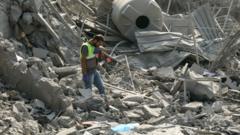
Israeli Military Operations Claim Eleven Lives in Southern Lebanon
A series of Israeli military strikes Lebanon operations have resulted in eleven confirmed deaths across the southern regions, according to statements from local authorities. The Israeli armed forces initiated these military actions in response to what defense officials characterized as hostile activities directed against its personnel deployed in the area.
Military Response and Strategic Objectives
Israel's defense establishment released official statements indicating that the strikes were specifically designed to target what they described as "Hezbollah terror infrastructure" positioned throughout southern Lebanese territories. According to military spokespersons, the operations were conducted as a direct response to alleged prior incidents involving attacks on Israeli soldiers stationed near the border region.
The military campaign represents an escalation in cross-border tensions between Israeli forces and armed groups operating from Lebanese territory. Defense officials emphasized that the strikes were precision-targeted operations aimed at dismantling what they characterized as militant operational capabilities and weapons storage facilities.
Context of Regional Security Tensions
The strikes occur within a broader pattern of military confrontation between Israel and organizations based in southern Lebanon. Security analysts have noted that such operations typically follow specific trigger incidents involving threats to Israeli personnel or military installations near the border areas.
Regional observers point to the strategic importance of southern Lebanon as a significant factor in Israeli security calculations. The area has long been a point of concern for Israeli military planners due to the presence of armed militant organizations and their stated opposition to Israeli interests in the region.
Humanitarian and Civilian Impact Assessment
The death toll reported by Lebanese authorities reflects the significant human cost of the military operations conducted across populated areas in the south. Local officials have documented the casualties among civilians and other individuals present in the strike zones during the operations.
International humanitarian organizations have begun monitoring the situation to assess potential civilian casualties and infrastructure damage resulting from the military strikes. The scale of the confirmed deaths has drawn attention from regional and international observers concerned about the escalating violence and its impact on local populations.
Military Justification and Strategic Claims
Israeli military representatives have justified the operations by citing legitimate security concerns and the necessity to neutralize perceived threats emanating from southern Lebanon. According to defense ministry statements, the strikes were carefully planned and executed to minimize unintended consequences while achieving operational objectives.
The military emphasized that the targeted infrastructure represented genuine security threats requiring immediate military response. Israeli officials stated that the operations were consistent with their security doctrine and represented a proportionate response to the alleged prior provocations against their armed forces.
Broader Implications for Regional Stability
The escalation demonstrated through these military operations raises questions about the trajectory of Israeli-Lebanese relations and cross-border security dynamics. Military analysts suggest that such incidents contribute to broader patterns of tension that complicate efforts toward regional stability.
The operations underscore the persistent security challenges facing the region and the continued military posturing between Israeli forces and armed groups operating across the Lebanese border. Both sides continue to assert their respective security imperatives while confronting the civilian populations caught within zones of military engagement.
As the situation develops, international diplomatic channels may become increasingly important in managing tensions and preventing further escalation of cross-border military operations in this volatile region.


