
Japan Investigates Major Ice Cream Producers for Anti-Competitive Pricing Practices
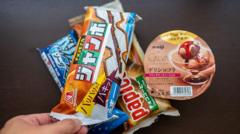
Ice Cream Price-Fixing Investigation Launched by Japanese Authorities
Japanese regulatory authorities have initiated a comprehensive probe into alleged ice cream price-fixing practices by several major manufacturers operating within the nation's frozen dessert market. The investigation targets prominent industry players suspected of engaging in anticompetitive behavior and coordinated pricing strategies that may have inflated consumer costs. This ice cream price-fixing inquiry comes at a particularly significant moment, as Japan experiences unprecedented summer temperatures that have driven record demand for frozen treats among consumers nationwide.
Timing of the Antitrust Probe
The launch of this antitrust investigation coincides with Japan facing its hottest summer conditions on record. During periods of extreme heat, consumer demand for ice cream and other frozen products typically surges, making pricing practices increasingly scrutinized by authorities and advocacy groups. The timing of the regulatory action suggests that officials may be responding to complaints regarding elevated prices during peak demand periods when consumers have limited alternatives for cooling relief.
Alleged Cartel Conduct in the Frozen Dessert Sector
The investigation centers on suspected cartel behavior among ice cream manufacturers, a serious violation of Japan's competition laws. When companies coordinate pricing rather than competing independently, consumers ultimately bear the cost through artificially elevated retail prices. Such practices undermine fair market competition and limit consumer choice in the frozen dessert category. The alleged coordination represents a significant concern for Japan's regulatory framework and consumer protection standards.
Market Impact and Consumer Implications
Japan's ice cream market represents a substantial sector within the broader frozen foods industry. During summer months, particularly when temperatures reach record highs, consumer spending on ice cream products increases dramatically. If manufacturers have engaged in coordinated pricing schemes, the impact on household budgets could be considerable, especially for families seeking affordable cooling solutions during extreme weather events. This investigation addresses fundamental questions about fair pricing and market access for consumers across all income levels.
Regulatory Response and Enforcement Actions
Japanese competition authorities have demonstrated commitment to investigating potential antitrust violations through this formal probe. The enforcement action reflects broader efforts to maintain healthy market competition and protect consumer interests. Regulatory agencies are examining business communications, pricing records, and market conduct to determine whether cartel agreements existed. Companies found to have violated competition laws face potential fines, mandatory conduct remedies, and reputational consequences that could reshape their market positions.
Industry and Consumer Response
The investigation has prompted heightened attention to pricing practices across the ice cream industry. Consumers and advocacy organizations have increasingly focused on whether manufacturers' pricing aligns with actual production costs and market conditions. Industry participants are likely reviewing their pricing strategies to ensure compliance with competition regulations. This scrutiny may ultimately benefit consumers through more transparent pricing and competitive market dynamics in the frozen dessert sector.
Conclusion
The Japanese authorities' investigation into alleged ice cream price-fixing represents an important enforcement action addressing potential anticompetitive conduct. As the nation grapples with record summer temperatures driving increased consumer demand for frozen products, questions about fair pricing have become increasingly important. The outcome of this investigation will likely have significant implications for how manufacturers approach pricing strategies and may establish important precedents for competition law enforcement in Japan's food and beverage sectors.


