Khan Overrides Council Opposition to Soho Outdoor Dining 2027
Khan Leverages New Powers for Soho Outdoor Dining Expansion
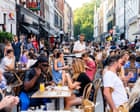
London Mayor Sadiq Khan is preparing to exercise fresh municipal authority to advance outdoor dining initiatives in Soho, overcoming sustained resistance from the local Westminster Council. The move represents a significant shift in the capital's approach to seasonal pedestrianisation and al fresco dining, with implementation scheduled to commence in 2027.
The decision to override outdoor dining opposition comes after Westminster Council declined to participate in the broader citywide scheme for temporary street closures and pedestrian-focused dining spaces. Khan's administration has identified outdoor dining as a crucial component of London's recovery and economic revitalisation strategy, particularly within the historically vibrant Soho district.
Westminster Council's Stance on the Initiative
The local authority has maintained longstanding reservations about the outdoor dining proposal, citing concerns that extend back several years within the community. Despite these objections, the mayor's office has determined that the benefits of al fresco dining infrastructure outweigh local council hesitations, prompting the use of override mechanisms now available under updated planning regulations.
Westminster's reluctance to participate in the seasonal pedestrianisation scheme appears to stem from various stakeholder concerns within the Soho area. However, Khan's administration views this as an opportunity to modernise London's streetscape and enhance the district's competitive positioning among major European capitals.
London's Broader Pedestrianisation Strategy
The outdoor dining expansion forms part of an ambitious citywide initiative to introduce seasonal pedestrianisation across multiple London neighbourhoods throughout the summer months. This comprehensive approach aims to create vibrant, walkable environments while supporting hospitality businesses struggling with operational challenges in the post-pandemic era.
The scheme encompasses temporary street closures, expanded pavement seating areas, and enhanced public realm improvements. By 2027, the initiative is expected to transform how Londoners experience dining and leisure activities, particularly within entertainment districts like Soho that historically depend on foot traffic and outdoor vibrancy.
Impact on Soho's Hospitality Sector
Restaurants operating throughout Soho stand to benefit significantly from expanded outdoor dining permissions. The ability to position chairs and tables outside during warmer months provides crucial revenue opportunities, extending trading areas beyond existing indoor capacity constraints. For establishments in this densely-packed entertainment quarter, outdoor seating represents meaningful business expansion potential.
The outdoor dining initiative also responds to changing consumer preferences, particularly following years when outdoor spaces proved essential for safe hospitality operations. Modern diners increasingly favour al fresco experiences, especially in vibrant urban environments where street life and entertainment converge.
Timeline and Implementation Details
The 2027 launch date provides sufficient planning horizon for restaurant operators and local businesses to prepare necessary infrastructure modifications. Operators will require time to source outdoor furniture, arrange utility connections for heating and lighting, and coordinate with neighbouring properties regarding space allocation and maintenance responsibilities.
Khan's override of opposition demonstrates the mayor's determination to proceed despite Westminster Council's initial resistance. This assertion of mayoral authority under new powers reflects evolving municipal governance structures that increasingly centralise decision-making authority for city-scale initiatives. The mayor's office appears confident that implementing outdoor dining will ultimately gain local acceptance once residents experience the tangible benefits.
Challenges and Future Considerations
Implementing seasonal pedestrianisation and outdoor dining expansion inevitably raises practical questions about waste management, noise considerations, and accessibility for non-hospitality uses of public space. The council's original opposition may reflect these operational concerns, though Khan's administration apparently believes management strategies can adequately address such issues.
Coordination between transport authorities, waste management services, and emergency responders will prove essential during the transition period. Weather considerations also remain significant—the seasonal nature of the initiative acknowledges London's variable climate, with outdoor dining concentrated during warmer months rather than year-round operations.
Broader London Urban Development Context
This outdoor dining initiative sits within Khan's broader vision for London's post-pandemic transformation. The mayor has consistently advocated for increased street-level vibrancy, reduced automobile dependence, and enhanced pedestrian environments throughout the capital. Soho, as a historically significant entertainment and cultural hub, represents an ideal district for demonstrating these principles.
The al fresco dining expansion also contributes to broader conversations about London's international competitiveness and quality-of-life metrics. European cities have long featured prominent outdoor dining cultures; Khan's initiatives aim to strengthen London's comparable appeal to both residents and visitors seeking dynamic urban experiences.