Kindergarten MMR Vaccination Rates Decline as Exemptions Rise
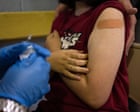
Kindergarten Vaccination Rates Show Concerning Decline
Recent data released by the Centers for Disease Control and Prevention reveals troubling trends in kindergarten vaccination rates, particularly regarding MMR (measles, mumps, rubella) immunizations. As kindergarten vaccination rates continue their downward trajectory, health officials have raised alarms about the implications for community immunity and disease prevention among school-age children.
The latest CDC figures demonstrate a measurable decrease in kindergarten vaccination rates compared to previous years, coinciding with a significant surge in non-medical exemptions. This combination has prompted medical experts and public health officials to reassess vaccination strategies and communication approaches with parents and educational institutions.
Non-Medical Exemptions Reach Historic Levels
Non-medical exemptions have climbed to 4.2 percent, marking a record high for the nation. This substantial increase in exemptions represents a shift in how families approach vaccination decisions for their children. The growth in non-medical exemptions correlates with broader discussions about parental autonomy, vaccine safety concerns, and the regulatory frameworks governing kindergarten vaccination rates across different states.
State-level policies vary considerably when it comes to exemption allowances, with some jurisdictions maintaining stricter requirements while others permit broader exemption categories. The rise in non-medical exemptions reflects varying levels of vaccine hesitancy across different regions and demographic groups.
CDC Response and Expert Analysis
The CDC's official response to the declining kindergarten vaccination rates was notably measured, with a three-sentence statement emphasizing that overall vaccination rates among kindergarteners remained high. However, this characterization drew scrutiny from medical and public health experts who pointed to concerning trends beneath the surface statistics.
While aggregate vaccination coverage numbers may appear adequate, public health professionals recognize that kindergarten vaccination rates require sustained levels of immunity to prevent disease outbreaks. The concentration of unvaccinated or partially vaccinated children in specific geographic areas or school systems poses particular risks for vulnerable populations, including infants too young for vaccination and immunocompromised individuals.
Vaccination Hesitancy and Public Discourse
The timing of the CDC data release followed high-profile public statements containing inaccurate information about vaccines. Claims about vaccine size, composition, and safety continue to circulate through media channels and social platforms, influencing parental decision-making regarding childhood immunizations. These misleading narratives have contributed to vaccine hesitancy among certain populations, potentially explaining part of the decline in kindergarten vaccination rates.
Medical professionals and public health communicators have emphasized the need for clear, evidence-based information to counter vaccine misinformation. The disconnect between official CDC statements and expert analysis suggests that how kindergarten vaccination rates are presented to the public may significantly impact public perception and vaccination decisions.
Implications for Community Health
As kindergarten vaccination rates decline and non-medical exemptions increase, public health officials warn of potential consequences for community protection against vaccine-preventable diseases. Measles, mumps, and rubella remain serious threats, particularly in communities with lower vaccination coverage. Historical disease outbreaks have demonstrated how quickly conditions can emerge when kindergarten vaccination rates fall below critical thresholds.
The trend in declining kindergarten vaccination rates underscores the importance of sustained public health efforts to maintain immunization protections. Medical experts continue monitoring vaccination coverage across states and school districts, particularly in areas showing significant declines in kindergarten vaccination rates or elevated exemption numbers.
Looking Forward
As kindergarten vaccination rates face continued scrutiny, public health agencies are reassessing their communication strategies and engagement approaches with families. The relationship between declining kindergarten vaccination rates and rising non-medical exemptions suggests that education and trust-building initiatives may be essential to reversing current trends.
The CDC and state health departments continue tracking kindergarten vaccination rates closely, recognizing that sustained high immunization levels remain critical for protecting all children in school settings.