
King Charles Breaks Royal Precedent: Revealing First Monarch Tax Bill
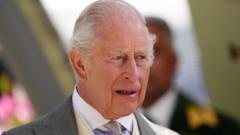
Historic Moment: King Charles Discloses Personal Tax Contributions
In a groundbreaking decision that marks a significant shift in royal protocol, King Charles tax bill will be revealed publicly for the first time in British monarchy history. This unprecedented move represents a major step toward financial transparency within the House of Windsor and demonstrates the Crown's commitment to accountability during a period of intense public scrutiny regarding royal finances.
The upcoming annual financial report will contain detailed information about the personal tax obligations of the reigning monarch, a distinction never before made available to the general public. This remarkable development signals a departure from centuries-old tradition and reflects contemporary expectations regarding governmental and institutional transparency.
Breaking Centuries of Royal Financial Privacy
The decision to publicly disclose the king charles tax bill represents an extraordinary break from established royal customs that have protected the monarchy's financial details for generations. For centuries, the personal tax arrangements of the reigning sovereign have remained strictly confidential, considered an internal matter of the royal household rather than public information.
This transformation in approach stems from mounting public interest and broader societal demands for transparency from all major institutions, including the monarchy. By voluntarily opening the books on royal tax contributions, King Charles is positioning the institution for greater credibility and public trust during his reign.
What the Financial Report Will Reveal
The forthcoming annual statement will provide comprehensive details about how much tax is paid directly by the monarch from personal income and investments. This disclosure encompasses multiple revenue streams, including private estates, investment portfolios, and other financial holdings that generate taxable income.
Previously, such information remained entirely within the private domain of Buckingham Palace and the royal advisors who manage the Crown's extensive financial portfolio. The inclusion of specific tax payment figures in a publicly accessible report marks a watershed moment for royal financial transparency.
Implications for Royal Accountability
The shift toward revealing the monarch tax disclosure carries significant implications for how the public perceives the institution's financial conduct. By demonstrating that the sovereign contributes to the national tax system like any other substantial taxpayer, the monarchy reinforces its position as a participant in the broader British economic framework rather than an exception to it.
This move addresses longstanding questions about royal finances and whether the Crown pays appropriate taxes on its vast wealth holdings. Public discourse surrounding institutional tax obligations has intensified in recent years, and the monarchy's proactive response demonstrates awareness of these concerns.
The Broader Context of Royal Modernization
King Charles has signaled throughout his reign an intention to modernize royal practices while maintaining institutional dignity. The decision to disclose tax information aligns with his broader agenda of making the monarchy more accessible and transparent to contemporary society.
This particular initiative represents just one aspect of how the current administration at the Palace is reassessing traditional approaches to royal governance and public relations. Other modernization efforts have included streamlining royal staff, reassessing ceremonial practices, and increasing public engagement on contemporary issues.
Reactions to the Tax Disclosure Decision
The announcement of plans to reveal the king charles finances has generated considerable discussion among royal observers, tax policy experts, and the general public. Supporters view this as a commendable step toward institutional openness, while others debate whether the disclosure goes far enough or whether it raises additional questions about royal financial structures.
Financial analysts have noted that this transparency measure could serve as a model for other major institutions seeking to build public confidence through voluntary disclosure of leadership financial information.
Future Implications and Royal Precedent
The inclusion of the monarch's personal tax bill in official financial records establishes a new royal precedent breaking tradition that will likely continue beyond King Charles's reign. Future sovereigns will be expected to maintain this standard of transparency, fundamentally altering how the monarchy interfaces with public accountability expectations.
This decision suggests that the institution is committed to evolving alongside changing societal values regarding transparency, financial responsibility, and institutional governance. By taking this voluntary step, the Crown may preempt future demands for even more extensive disclosure while positioning itself as an institution responsive to legitimate public interest.


