
M25 Motorway Heat Crisis: Dozens Hospitalized During Extreme Weather
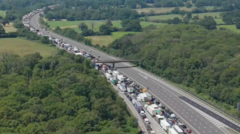
Major Traffic Delays During Unprecedented Heat Emergency on M25
A significant traffic incident unfolded on the M25 motorway as extreme weather conditions created a public health emergency, with multiple individuals requiring emergency medical assistance due to heat-related illnesses. The M25 heat alert prompted authorities to respond to numerous cases of heat exhaustion and dehydration among motorists trapped in stationary vehicles during dangerous temperature spikes.
Ambulance Service Faces Critical Response Challenges
The ambulance service reported substantial difficulties in reaching affected patients who were experiencing severe heat-related illnesses while stranded on the congested motorway. Emergency responders struggled to navigate through backed-up traffic corridors, significantly delaying their ability to provide timely medical intervention to those suffering from the effects of extreme heat exposure.
Heat-Related Medical Emergencies Escalate
Personnel working within emergency services outlined the challenging circumstances they faced during the incident. The combination of stationary traffic, limited ventilation in vehicles, and soaring temperatures created a dangerous environment that rapidly exacerbated medical conditions among trapped passengers. Several individuals required hospital treatment for various heat-related complications, including heat stroke, severe dehydration, and associated cardiovascular stress.
Understanding Heat-Related Illness Risks on Motorways
Heat-related illnesses represent a serious public health concern during periods of extreme weather, particularly in enclosed environments such as vehicles stuck in traffic. Conditions can deteriorate rapidly, transforming a routine commute into a medical emergency within minutes. The M25 heat alert incident highlighted the vulnerability of motorists when transportation networks become congested during elevated temperature events.
Experts emphasize that prolonged exposure to high temperatures in vehicles can lead to rapid dehydration, electrolyte imbalances, and potential organ damage. Children, elderly individuals, and those with pre-existing medical conditions face heightened vulnerability during such incidents. Without adequate ventilation and access to water, even relatively healthy individuals can develop serious complications within hours of heat exposure.
Systemic Challenges in Emergency Response
The motorway incident revealed critical gaps in emergency service accessibility during major traffic incidents coinciding with severe weather. Ambulance crews faced unprecedented delays in reaching patients, forcing them to deploy alternative strategies and coordinate with other emergency services. The M25 heat alert situation demonstrated how infrastructure limitations can significantly impede medical response capabilities during public health crises.
Traffic management officials and emergency coordinators worked collectively to clear congestion, but the pace of vehicle movement remained inadequate relative to the urgency of medical requirements. This disconnect between traffic flow and emergency response timelines contributed to prolonged patient suffering and complicated treatment protocols.
Hospital Admissions and Patient Outcomes
Multiple individuals were transported to nearby medical facilities for comprehensive treatment and monitoring. Hospital staff prepared for an influx of heat-related emergency cases, activating specialized protocols designed to address acute thermal illness. The scale of admissions underscored the severity of conditions experienced by those trapped during the M25 heat alert incident.
Preventive Measures and Public Safety Recommendations
Health authorities and transportation officials have issued guidance to motorists regarding heat safety during periods of extreme weather. Recommendations include maintaining adequate hydration, keeping vehicles well-ventilated, monitoring vulnerable passengers, and considering alternative travel times during peak heat hours. Preparedness for heat-related emergencies includes carrying water supplies, maintaining emergency communication devices, and recognizing early warning signs of heat-related illness.
The M25 heat alert serves as a critical reminder that extreme weather creates multifaceted challenges requiring coordinated responses across health services, transportation management, and emergency services. Future incidents of this nature underscore the necessity for enhanced emergency protocols, improved traffic management systems, and public awareness initiatives addressing heat safety during transportation.


