Major Parties Boycott Clacton Byelection as Farage Resigns Seat
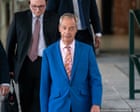
Farage Steps Down from Clacton Seat
Reform UK leader Nigel Farage has announced his resignation from Parliament, declaring that constituents in Clacton should determine his political future. Despite stepping down as MP, Farage resigns his seat with the explicit intention of standing as a candidate in the subsequent byelection, creating an unprecedented political scenario where major parties have refused to participate in the contest.
The decision to trigger a byelection through his resignation has been met with significant resistance from across the political spectrum. Labour, the Conservative Party, and the Liberal Democrats have all announced they will not field candidates in the forthcoming vote, effectively boycotting the electoral process.
Major Parties Refuse to Stand
The coordinated decision by the three largest political parties marks an extraordinary moment in British electoral politics. By declining to contest the seat, Labour, the Tories, and the Lib Dems have sent a clear message about their approach to Farage's political maneuvers. The refusal to stand represents a unified response from the parliamentary mainstream to what many view as a calculated political move.
Conservative leader Kemi Badenoch addressed questions regarding the situation during parliamentary exchanges, focusing on broader governance issues and concerns about potential government overreach. She emphasized the importance of maintaining press freedom and expressed reservations about any political administration using state power to regulate media outlets.
Press Freedom and Governance Concerns
During discussions surrounding Farage resigns from his parliamentary duties, Badenoch raised critical points about the responsibilities of government institutions. When questioned about whether the parliamentary commissioner for standards should investigate matters related to gifts and donations, Badenoch indicated that such determinations properly fall within the commissioner's purview rather than her personal advocacy.
The Conservative leader drew distinctions between legitimate political scrutiny and attempts at media control. She noted that despite receiving criticism and hostile coverage throughout her political career, she has consistently opposed restrictions on press freedom. This stance reflects traditional British values regarding the independence of journalism and the importance of an unregulated media landscape.
Concerns About Government Control of Media
Badenoch expressed serious concerns about the implications of any political movement seeking to regulate the press through government authority. She characterized press freedom as one of the nation's defining strengths, warning against permitting any government—whether current or future—to exercise control over journalistic outlets. Her comments appeared directed at broader questions about how political power should be exercised responsibly.
The parliamentary exchanges highlighted the distinction between investigating potential misconduct through appropriate channels and attempting to suppress media coverage through governmental pressure. Badenoch's remarks underscored the importance of maintaining institutional checks and balances that protect democratic principles and public accountability.
The Byelection Scenario
The unprecedented situation created by Farage resigns as Clacton MP presents voters with an unusual electoral choice. With mainstream parties declining to participate, the byelection will proceed with Farage as the primary candidate, effectively reshaping the contest into a referendum on his political standing rather than a traditional multi-party competition.
This development raises questions about the future direction of Reform UK and Farage's continued influence in British politics. His stated commitment to standing again indicates determination to maintain his parliamentary presence and leadership position within his party, regardless of the major parties' boycott strategy.
The decision by Labour, Conservatives, and Liberal Democrats to refuse standing in this byelection represents a coordinated political response to what many observers have characterized as a calculated maneuver. The unified approach suggests consensus across the traditional political establishment regarding appropriate reactions to the circumstances surrounding Farage's departure and planned return to the ballot.