
Manchester Star Doku Faces Backlash Over World Cup Birth Leave Plan
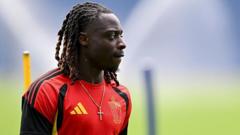
Doku Faces Criticism Over World Cup Departure Request
Belgian winger Jeremy Doku has attracted significant scrutiny following his stated intention to depart the national team's World Cup camp to be present during his wife's childbirth. The Manchester City player's plan to prioritize his personal family circumstances over international tournament commitments has ignited widespread debate among fans, analysts, and football professionals regarding the appropriate balance between professional obligations and familial responsibilities.
The Context Behind Doku's Announcement
Jeremy Doku's situation emerged as an unexpected narrative within Belgium's World Cup preparations. The young footballer disclosed that he hoped to step away from the team's operational base during the tournament to witness the arrival of his and his wife's firstborn child. This revelation generated considerable discussion about whether such personal matters should take precedence during a nation's participation in sport's most prestigious international competition.
The timing of Doku's expected childbirth coincides with Belgium's World Cup involvement, creating a genuine predicament for both the athlete and the national federation. Rather than viewing this as a straightforward matter of personal choice, many stakeholders have questioned the appropriateness of his decision within the context of international football's demanding structure and expectations.
Public and Professional Reaction
The response to Jeremy Doku's World Cup leave intentions has been decidedly mixed across various segments of the football community. Some observers have questioned his commitment to the national team and suggested that such personal matters could be managed differently or postponed until after the tournament concludes. These critics argue that competing at the World Cup represents an extraordinary opportunity that demands complete dedication and presence from all squad members.
Conversely, others have advocated for understanding and compassion regarding Doku's circumstances. This perspective emphasizes that the birth of a first child represents a momentous life event that transcends professional considerations. Supporters of this viewpoint contend that modern employment practices increasingly recognize and accommodate major personal milestones, and professional football should evolve similarly.
International Football's Standards and Protocols
Jeremy Doku's situation highlights existing tensions within international football regarding player availability and personal circumstances. Most national teams maintain rigorous protocols requiring players to maintain their presence and focus throughout tournament participation. These standards have been established over decades, reflecting the belief that unified squad commitment enhances team cohesion and performance outcomes.
However, Doku's case raises legitimate questions about whether such long-standing conventions adequately account for significant life events. The modern footballer operates within an increasingly complex landscape where personal wellbeing, mental health considerations, and family obligations receive greater recognition than in previous eras. The Belgian team's handling of this situation may establish important precedents for how international football addresses similar circumstances in the future.
The Broader Conversation About Balance
Beyond the specific details of Jeremy Doku's World Cup departure request, his situation catalyzes a wider discussion about work-life balance in professional athletics. Athletes at the highest levels often sacrifice considerable personal time and family moments in pursuit of competitive excellence. The question of whether this sacrifice should extend to missing the birth of one's child remains contested among those with different views on professional obligations.
Various football associations and international governing bodies may need to reassess their policies in light of contemporary perspectives on employee rights and personal circumstances. Whether Doku's specific request receives approval or denial, the conversation surrounding his case will likely influence how international football organizations approach similar situations involving other players in future tournaments.
Looking Forward
Jeremy Doku's World Cup situation remains unresolved, with implications extending beyond his individual case. As professional football continues evolving, finding equilibrium between institutional demands and individual circumstances represents an ongoing challenge. The resolution of Doku's request will signal important messages about priorities and values within international sport, potentially influencing how future generations of footballers navigate comparable personal and professional conflicts.


