
Middle East Oil Tanker Threats Reach Peak Levels Since Iran Conflict Escalation
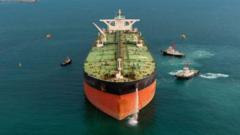
Oil Tanker Threats in Middle East Reach Critical Juncture
The vulnerability of oil tanker operations across the Middle East has escalated to levels not witnessed since the inception of regional conflict with Iran, according to maritime security specialists and industry analysts. Oil tanker threats in the Middle East continue to mount as shipping companies grapple with an array of emerging risks that fundamentally alter logistics and operational protocols.
Recent intelligence assessments from leading energy sector observers indicate that vessels traversing critical maritime corridors face mounting dangers from multiple sources. The deterioration in security conditions has prompted widespread concern among international shipping authorities and petroleum industry stakeholders who depend heavily on uninterrupted transit through these strategically vital waterways.
Escalating Attacks on Alternative Shipping Routes
Fresh assaults targeting alternative shipping corridors have created an increasingly intricate operational environment for tanker operators, according to maritime analysts. The attacks represent a marked shift in tactical approaches, with aggressors demonstrating enhanced capabilities to strike at vessels operating outside traditionally monitored pathways.
These incidents on alternative shipping routes have forced companies to reassess their navigation strategies and invest substantially in additional security measures. The unpredictability of attack patterns has left insurers and operators grappling with calculations regarding risk premiums and operational feasibility. Several major petroleum transport firms have already begun rerouting shipments through extended passages, incurring significant additional fuel costs and time delays.
Impact on Global Energy Markets
The heightened oil tanker threats in the Middle East carry substantial implications for worldwide energy security and economic stability. Disruptions in the region's shipping lanes directly influence crude oil pricing, transportation costs, and the availability of petroleum products in global markets. Energy analysts warn that sustained threats to maritime commerce could trigger broader economic consequences, including inflation pressures and supply chain disruptions across multiple industries.
Market observers note that commodity traders have already begun factoring elevated risk premiums into energy contracts. Insurance costs for maritime operations have climbed noticeably, reflecting the heightened perception of danger. Some smaller shipping companies have opted to exit the region entirely, concentrating their operations in less volatile maritime zones.
Security Measures and Industry Response
Shipping companies operating in contested waters have substantially upgraded their protective infrastructure and operational protocols. Modern tankers now deploy advanced surveillance systems, armed security personnel, and enhanced communication technologies to monitor potential threats in real time. These defensive investments represent considerable capital expenditure for fleet operators already contending with narrow profit margins.
Major petroleum corporations have convened emergency sessions with maritime authorities and government officials to coordinate response strategies. These collaborative efforts seek to establish protected convoy systems, enhance intelligence sharing among commercial operators, and develop rapid-response protocols for vessels encountering hostile situations. International naval presences in the region have expanded, though military resources remain distributed across numerous competing priorities.
Geopolitical Dimensions and Broader Implications
The systematic targeting of oil tanker routes reflects broader geopolitical tensions that extend well beyond maritime commerce concerns. Regional actors continue demonstrating their capacity to disrupt international energy supplies, effectively weaponizing maritime vulnerabilities to achieve political objectives. These capabilities underscore the strategic leverage that control of critical shipping passages provides in contemporary international relations.
Analysts emphasize that the current threat environment differs substantially from previous periods of regional instability. Contemporary attack methodologies demonstrate greater sophistication, coordination, and strategic targeting of high-impact objectives. The frequency and precision of incidents suggest a deliberate campaign rather than sporadic opportunistic actions, raising concerns among strategists regarding sustained escalation trajectories.
Future Outlook and Risk Mitigation
Industry specialists anticipate that oil tanker threats in the Middle East will likely persist until underlying political tensions undergo meaningful resolution. Insurance agencies continue reassessing coverage parameters and adjusting premium structures to reflect evolving risk profiles. Shipping companies face difficult decisions regarding continued operations in the region versus temporary withdrawal pending security improvements.
Various stakeholders advocate for diplomatic interventions, international mediation efforts, and confidence-building measures among regional actors. However, the intractability of existing disputes suggests that maritime security challenges may endure throughout the medium term. Companies must develop adaptive strategies that balance operational continuity with acceptable risk tolerances, while regulatory authorities strengthen oversight mechanisms governing maritime commerce in contested waters.


