
Misleading 'Cool in 90 Seconds' Claims: Internet's Fake Portable Air Conditioners Exposed
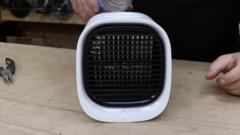
Internet Marketing Deception: Exposing Fake Portable Air Conditioners
The rise of fake portable air conditioners marketed with misleading claims has become a significant concern for consumer protection agencies. These devices, falsely advertised as capable of cooling entire rooms within 90 seconds, represent a troubling trend in online retail and social media marketing. The Advertising Standards Authority (ASA) has issued warnings about these fraudulent products, emphasizing that such claims are fundamentally unrealistic and designed to deceive unsuspecting consumers.
ASA's Position on Misleading Cooling Device Claims
The Advertising Standards Authority has determined that misleading cooling device claims being circulated across the internet violate established advertising guidelines. Companies promoting these fake portable air conditioners assert capabilities that are physically impossible, creating unrealistic consumer expectations. The ASA's investigation revealed that advertisements claiming small devices can rapidly cool rooms within minutes lack scientific basis and contradict fundamental principles of thermodynamics.
These misleading campaigns typically target budget-conscious shoppers seeking affordable cooling solutions, particularly during summer months when demand for air conditioning increases. The deceptive marketing practices exploit consumer vulnerabilities by promising solutions to genuine problems at seemingly unbeatable prices.
How Fake Portable Air Conditioners Operate
Understanding the mechanics of these fraudulent devices helps consumers recognize deception when evaluating portable cooling options. Most fake portable air conditioners utilize basic evaporative cooling technology or simple fan mechanisms, which cannot deliver the rapid temperature reduction claimed in advertisements. These products may provide minimal air circulation or slight cooling effects in extremely limited spaces, yet marketing materials suggest they function as complete room cooling solutions.
The discrepancy between advertised performance and actual functionality represents a significant consumer protection issue. Buyers investing in these devices discover minimal practical benefits after purchase, resulting in wasted money and disappointment.
The Internet's Role in Spreading False Marketing
Social media platforms and online marketplaces have become primary channels for distributing advertisements about fake portable air conditioners. Sophisticated marketing strategies leverage targeted advertising, influencer endorsements, and customer testimonial manipulation to establish credibility. These campaigns capitalize on algorithm-driven content distribution, ensuring misleading messages reach vast audiences searching for cooling solutions.
E-commerce platforms hosting these products often lack adequate verification processes for seller claims, allowing vendors to continue marketing fake portable air conditioners despite regulatory warnings. The borderless nature of internet commerce complicates enforcement efforts, enabling fraudulent operators to relocate and resume operations under different business names.
Consumer Protections and Regulatory Response
Regulatory agencies worldwide have intensified scrutiny of false advertising within the portable cooling device market. The ASA's actions represent part of broader consumer protection initiatives aimed at combating deceptive online marketing practices. Enforcement actions include removing misleading advertisements, imposing fines on non-compliant companies, and pursuing legal proceedings against repeat offenders.
Consumers encountering suspicious advertisements for fake portable air conditioners can report concerns to relevant authorities. Documenting misleading claims, retaining purchase receipts, and filing formal complaints strengthens regulatory responses and protects other potential victims.
Identifying Legitimate Cooling Solutions
Distinguishing authentic products from fake portable air conditioners requires careful evaluation of technical specifications and realistic performance expectations. Legitimate cooling devices clearly disclose coverage area limitations, energy consumption rates, and actual temperature reduction capabilities. Reputable manufacturers provide transparent specifications verified through independent testing.
Before purchasing portable cooling equipment, consumers should research product certifications, manufacturer reputation, and verified customer reviews from established platforms. Prices significantly below market averages for comparable products often indicate substandard or fraudulent offerings rather than genuine bargains.
Long-Term Consumer Awareness Initiatives
Educational campaigns addressing fake portable air conditioners help consumers develop critical evaluation skills for online purchases. Understanding thermodynamic principles, recognized certification standards, and legitimate performance metrics enables better purchasing decisions. Consumer advocacy organizations continue developing resources highlighting warning signs of deceptive advertising and tactics for identifying fraudulent products.
The ongoing battle against misleading cooling device claims demonstrates the necessity for vigilant consumer behavior and regulatory oversight in protecting market integrity and consumer interests.


