
Model Reflects on Freud Studio Sessions Following £25m Artwork Sale
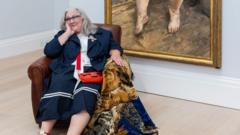
Artist's Model Recalls Iconic Sessions with Renowned Painter
Sue Tilley has opened up about her experiences posing for one of the twentieth century's most celebrated artists, reflecting on her time in his workspace following a significant £25m art sale. Her candid memories provide a fascinating glimpse into the creative process behind some of the most coveted works in contemporary art history.
Life Inside the Studio Walls
The model's recollections paint a vivid picture of artistic life during her collaborations with the painter. Tilley describes the workspace as notoriously untidy, with unconventional decorative choices that underscored the artist's eccentric personality. Among the studio's most striking features was a Rodin sculpture repurposed as a functional doorstop, exemplifying the casual approach to priceless art within those creative quarters.
Social Moments and Artistic Dedication
Beyond the canvas work itself, Tilley recalls the social aspects of her studio visits. Champagne-fueled midday meals punctuated the painting sessions, creating an atmosphere that balanced rigorous artistic discipline with convivial conversation. These lunch breaks offered respite from the intensive posing required and allowed for personal connection between artist and subject, transcending the purely transactional nature of modeling work.
The Legacy of Collaboration
The relationship between painter and model yielded multiple significant works that would later command substantial market valuations. The £25m art sale serves as a testament to the enduring appeal and commercial viability of these collaborations. Such valuations underscore how deeply these artistic partnerships resonated with collectors and institutions worldwide, cementing their place in the contemporary art canon.
Impact on Art Market Recognition
Tilley's prominence as a muse contributed meaningfully to broader conversations about the role of models in fine art history. Her willingness to discuss these experiences publicly has enriched our understanding of the creative process and the human relationships that underpin significant artistic achievements. The £25m art sale represents not merely a financial milestone but validation of artistic vision and technical mastery.
Personal Reflections on Artistic Partnership
In discussing her years within that distinctive studio environment, Tilley emphasizes the complexity of the creative dynamic. The seemingly chaotic surroundings masked meticulous attention to detail in the work itself. What visitors might perceive as disorder actually reflected a mind preoccupied entirely with capturing human form and psychological depth, with practical considerations relegated to secondary importance.
The model's narrative challenges conventional assumptions about studio life among elite artists. Rather than austere, gallery-like spaces, the working environment embodied authenticity and pragmatism. This informality, paradoxically, facilitated some of the most technically sophisticated portraiture of the era, demonstrating that creative excellence need not depend upon pristine surroundings.
Artistic Legacy and Market Validation
The substantial £25m art sale crystallizes the market's assessment of works created during Tilley's period of collaboration. Each painting encapsulates countless hours of sitting, countless artistic decisions, and the peculiar intimacy between artist and subject. These transactions, while expressed in financial terms, ultimately affirm the transcendent quality of the artistic partnership that produced them.
Tilley's willingness to publicly discuss her experiences provides invaluable context for collectors, curators, and art enthusiasts seeking deeper understanding of these celebrated works. Her memories of champagne lunches, the scruffy studio aesthetic, and the irreverent placement of a Rodin sculpture humanize the creation process, reminding audiences that great art emerges from distinctly human contexts shaped by personality, circumstance, and creative vision.


