MPs Demand Ban on Fast Food Chains Near Schools to Combat Obesity Crisis
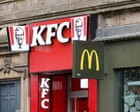
Parliamentary Health Committee Pushes for Fast Food Outlets Near Schools Restrictions
Members of Parliament are intensifying efforts to combat the rising obesity epidemic by implementing strict regulations on fast food outlets near schools. The Commons health committee has declared that major chains including KFC and similar establishments must face restrictions preventing new locations from opening in proximity to educational institutions, representing a significant shift in the government's approach to dietary health and youth welfare.
The committee's recommendations extend beyond simply controlling the placement of fast food outlets near schools. The initiative encompasses a comprehensive strategy designed to reshape food marketing practices and consumer behavior patterns throughout the United Kingdom, addressing a public health crisis that generates substantial economic burden on the nation's healthcare system.
Comprehensive Restrictions on Junk Food Marketing
In addition to limiting where fast food outlets near schools can be established, the parliamentary body is advocating for an immediate cessation of junk food advertising across billboards and public transportation networks. This dual approach targets both the supply side of unhealthy food products and the marketing mechanisms that encourage consumption among vulnerable populations, particularly young people who represent the most susceptible demographic.
The proposed advertising restrictions acknowledge the persuasive power of mass media campaigns in shaping dietary choices. By removing promotional materials from high-traffic areas frequented by children and teenagers, MPs believe the government can significantly reduce exposure to harmful nutritional messaging while simultaneously protecting minors from sophisticated marketing tactics employed by major food corporations.
Economic Impact of Obesity in the United Kingdom
The urgency behind these legislative proposals becomes apparent when considering the financial dimensions of the obesity crisis. Current analyses indicate that obesity costs the UK economy approximately £74 billion annually through healthcare expenses, productivity losses, and related social expenditures. This staggering figure underscores the critical need for preventive interventions before obesity-related complications overwhelm the National Health Service and drain already-stretched public resources.
Beyond the monetary calculations, the health committee emphasizes the profound human cost associated with widespread obesity, including increased incidence of diabetes, cardiovascular disease, certain cancers, and mental health disorders. The committee argues that governmental action represents not merely a fiscal imperative but a moral obligation to protect public wellbeing.
Retail Environment Modifications and Transparency Measures
The parliamentary recommendations also target retail environments where purchasing decisions are made. Supermarket chains would face mandatory requirements to display fresh produce, fruits, and vegetables prominently throughout their stores, particularly in high-traffic zones such as entrances and checkout areas. Strategic placement aims to normalize healthy food selection and increase sales of nutritious products by improving accessibility and visibility.
Complementing these retail modifications, the committee advocates for universal implementation of front-of-pack labeling systems utilizing traffic light indicators. These visual cues—typically employing red, amber, and green color coding—provide consumers with instantaneous nutritional assessments, enabling informed purchasing decisions without requiring extensive nutritional knowledge. Some supermarket chains have voluntarily adopted similar systems, demonstrating feasibility and market acceptance.
Food Industry Transparency and Accountability
A particularly contentious recommendation involves compelling food manufacturers to publicly disclose the proportion of their revenue derived from healthy versus unhealthy product categories. This transparency measure would expose industry financial incentives and potentially pressure corporations to rebalance their product portfolios toward healthier options to avoid reputational damage and consumer backlash.
The committee explicitly criticizes food industry lobbying efforts that have historically delayed or weakened public health initiatives. MPs urge ministers to demonstrate greater resolve in resisting corporate pressure and implementing evidence-based regulations despite predictable industry opposition and legal challenges.
Government Commitment and Future Implementation
The recommendations build upon previously announced governmental intentions to strengthen nutritional standards and implement stricter dietary regulations. However, the health committee's intervention suggests frustration with implementation delays and the need for accelerated action. MPs are essentially demanding that ministers demonstrate political courage by prioritizing public health outcomes over commercial considerations.
The committee's call for governmental action represents part of a broader international movement toward stricter regulation of unhealthy food products and marketing practices. Countries including Mexico, Chile, and various European nations have implemented similar restrictions, providing evidence-based models for potential UK implementation and generating measurable health improvements in youth populations.
Broader Public Health Strategy
These proposals form components of a holistic strategy to reshape the nation's food system and cultural attitudes toward nutrition. By simultaneously restricting supply-side factors (fast food outlets near schools), limiting demand-stimulating advertising, improving retail environments, ensuring transparency, and empowering consumer decision-making through clear labeling, the committee believes comprehensive improvements in dietary outcomes become achievable.
The parliamentary health committee's intervention signals growing political will to confront entrenched food industry interests and implement substantive public health measures. Whether the government responds with decisive action or continues incremental approaches will significantly influence the trajectory of the UK's ongoing obesity crisis and future generations' health outcomes.