
Nepal-Tibet Floods: Hundreds Dead or Missing After Devastating Disaster
Nepal-Tibet Floods: Critical Overview of the Catastrophic Event
A catastrophic natural disaster struck the border region between Nepal and Tibet on Wednesday, resulting in significant loss of life. The Nepal-Tibet floods have left hundreds dead or missing, with authorities still assessing the full extent of the tragedy. This devastating event combines multiple hazards including severe flooding and destructive landslides that continue to threaten communities and rescue operations in the affected areas.
Understanding the Scale of the Nepal-Tibet Floods
The magnitude of Wednesday's Nepal-Tibet floods represents one of the most serious natural disasters to impact this region in recent years. Entire communities found themselves inundated by unexpected surges of water and debris, with limited warning time for evacuation. The combination of heavy precipitation and unstable terrain created conditions where landslides became inevitable, multiplying the destruction across mountainous and valley regions alike.
Casualties and Missing Persons
Official reports indicate that hundreds of individuals have perished in the Nepal-Tibet floods, while a significant additional number remain unaccounted for. Search and rescue teams continue working tirelessly to locate survivors and recover remains from devastated areas. The exact casualty figures fluctuate as rescue operations progress and missing person reports are verified through official channels. Families separated by the disaster have begun organizing at temporary shelters, hoping for news of loved ones trapped in isolated pockets of the affected regions.
Landslide Impact in the Affected Border Region
Beyond the flooding itself, the Nepal-Tibet border area suffered severe damage from numerous landslides triggered by the heavy weather conditions. Entire hillsides collapsed, burying homes, roads, and agricultural lands under tons of rock and soil. These secondary disasters have proven particularly deadly, trapping residents unexpectedly and cutting off access routes that rescue personnel desperately need for relief operations. The unstable terrain continues to shift, creating additional hazards for anyone attempting to navigate the affected zones.
Infrastructure Damage and Access Challenges
The Nepal-Tibet floods have caused catastrophic damage to critical infrastructure throughout the border region. Roads remain impassable in many areas, water treatment facilities have been compromised, and communication networks have suffered significant disruption. These infrastructure failures complicate rescue and relief efforts, as teams struggle to reach isolated communities. Temporary bridges and alternative routes are being hastily established to enable humanitarian access to the most vulnerable populations still stranded in their devastated communities.
Ongoing Rescue and Relief Operations
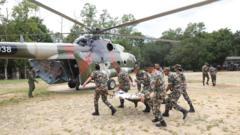
Rescue teams from both Nepal and Tibet, supported by international disaster relief organizations, have mobilized extensive resources to address the crisis resulting from the Nepal-Tibet floods. Helicopters, boats, and specialized search equipment have been deployed to areas inaccessible by conventional means. Relief workers are establishing distribution centers for clean water, medical supplies, and food provisions. These coordinated efforts face significant challenges due to continued harsh weather conditions and the treacherous terrain affected by the flooding and landslides.
Community Impact and Displacement
Thousands of residents have been displaced by the Nepal-Tibet floods, losing homes, possessions, and livelihoods in the disaster. Temporary shelters have been established in safer locations, where survivors receive basic medical attention and humanitarian assistance. Many displaced persons face uncertain futures regarding reconstruction and return to their communities. The psychological impact on survivors remains profound, with many having witnessed tragic loss of family members and neighbors.
Looking Forward: Recovery and Prevention
As immediate rescue operations continue, authorities are beginning to consider long-term recovery strategies following the Nepal-Tibet floods. Engineers are assessing structural damage to critical infrastructure while environmental scientists study the geological factors that contributed to the landslides. Future prevention measures may include improved early warning systems, enhanced drainage infrastructure, and reforestation initiatives to stabilize mountainous slopes vulnerable to collapse during extreme weather events.


