
Netflix's Wonka Series Criticized for Using AI-Generated Gene Wilder Voice
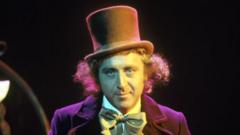
Netflix's Wonka Series Sparks Debate Over AI-Generated Gene Wilder Voice
The streaming platform Netflix has encountered significant public scrutiny following the implementation of an AI-generated Gene Wilder voice in their latest adaptation of the beloved Wonka character. This technological approach has ignited considerable conversation within entertainment circles, raising important questions about the intersection of artificial intelligence, legacy preservation, and creative consent in the digital age.
The Details of the Voice Recreation Project
In a move designed to honor the original performer's iconic portrayal, Netflix secured approval from the Gene Wilder estate to deploy advanced synthetic voice technology for the Wonka character in their new series. The late actor, who originally brought the whimsical candy factory owner to life in the 1971 film "Willy Wonka and the Chocolate Factory," passed away in 2016, leaving his legacy preserved through various recordings and performances.
The decision to utilize an AI-generated Gene Wilder voice rather than employing a contemporary actor to voice the character represents a significant shift in how streaming platforms approach posthumous creative contributions. The technology required sophisticated audio processing to capture the distinctive vocal nuances and emotional delivery that made the original performance so memorable.
Public and Industry Reactions
The announcement has generated mixed responses from audiences and entertainment professionals alike. Some individuals view this application of AI voice technology as an innovative tribute that maintains authenticity to the source material. Supporters argue that proceeding with the explicit permission of the estate demonstrates proper respect for the actor's legacy and intellectual property rights.
Conversely, critics have raised ethical concerns regarding the broader implications of AI-generated Gene Wilder voice technology in entertainment. They question whether synthetic voice recreation, regardless of estate approval, truly honors an actor's artistic contribution or represents a troubling precedent for posthumous digital replacement. These concerns extend beyond this singular instance, prompting wider industry discussions about the future of artificial intelligence in creative fields.
Legal and Ethical Frameworks
The project highlights the complex landscape of modern entertainment law regarding digital representations of deceased performers. While the Gene Wilder estate granted explicit consent for this particular venture, the absence of comprehensive industry standards governing such practices leaves considerable gray area for future projects.
Legal experts point out that estate consent provides important legitimacy from a property rights perspective. However, many argue that evolving ethical frameworks must accompany technological capabilities. Questions persist about whether written consent alone sufficiently addresses concerns about the actor's artistic integrity and creative autonomy, even after death.
Technological Implications and Future Applications
The Netflix Wonka series represents an important case study in how advanced artificial intelligence can replicate human vocal qualities. The AI-generated Gene Wilder voice demonstrates the sophisticated capabilities modern technology offers for preserving and recreating authentic performances from archival recordings.
This development signals potential industry trends where streaming platforms and production companies might increasingly explore synthetic voice technology for various purposes. Whether addressing casting challenges, maintaining narrative consistency, or honoring legendary performers, the applications appear limitless. However, each implementation will likely face similar scrutiny regarding authenticity, consent, and artistic ethics.
Balancing Innovation with Artistic Legacy
The fundamental tension revealed by this controversy centers on how entertainment evolves in an age of artificial intelligence. The Gene Wilder estate's decision reflects pragmatic acknowledgment of modern technological capabilities and platform requirements. Netflix's choice demonstrates a willingness to embrace innovation while attempting to maintain reverence for the original performer.
Yet the persistent backlash suggests audiences retain strong intuitive reservations about synthetic recreation, even when executed respectfully. Many viewers express preference for alternative approaches, such as remastering original performances or employing contemporary voice actors.
Broader Conversations About AI in Entertainment
This situation contributes to increasingly important conversations about how artificial intelligence should function within creative industries. As technology becomes more sophisticated and less distinguishable from human performance, stakeholders must collaboratively establish guidelines that protect artistic integrity while allowing beneficial innovation.
The Netflix Wonka series and its use of AI-generated Gene Wilder voice will likely influence how future studios approach similar projects. Whether this represents a positive evolution in entertainment or a cautionary tale depends significantly on how the industry develops its response to these emerging technologies.


