
Neurodivergent Festival Tips: How to Recharge in Calm Spaces
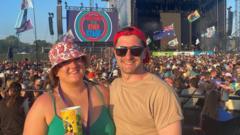
Understanding Neurodivergent Festival Experiences
Attending festivals presents unique challenges for neurodivergent festival accommodations, as the combination of loud music, crowded spaces, and sensory overload can quickly become overwhelming for individuals with autism, ADHD, and other neurological differences. While mainstream event venues continue to attract thousands of visitors seeking entertainment and social connection, neurodivergent attendees often struggle to balance enjoyment with the need for mental and physical rest.
The festival experience extends beyond simple music or food appreciation—it encompasses navigation through crowds, prolonged sensory exposure, and social interactions that can drain energy faster than typical visitors realize. Without proper support systems, many neurodivergent individuals avoid festivals altogether, missing valuable opportunities for entertainment and community engagement.
Current Accommodations: Calm Spaces and Sensory Support
Progressive festival organizers have begun implementing innovative solutions to support neurodivergent attendees. Many venues now feature dedicated calm spaces—quiet areas equipped with comfortable seating, reduced lighting, and minimal background noise where visitors can retreat when experiencing sensory fatigue.
Additionally, several major festivals distribute noise-cancelling headphones at entry points or through accessibility programs. These devices allow attendees to participate in festival activities while controlling sound levels independently. Some venues provide:
• Designated quiet zones separated from main stages
• Sensory-friendly scheduling with quieter performance hours
• Staff trained in neurodivergent communication styles
• Clear signage directing to relief areas
• Comfortable seating without capacity restrictions
Why Current Solutions Fall Short
Despite these progressive measures, accessibility advocates argue that existing accommodations remain insufficient. Many festivals treat sensory facilities as afterthoughts rather than core infrastructure, limiting their effectiveness. Issues include:
Staff members often lack training in recognizing sensory distress and assisting neurodivergent visitors appropriately. Marketing for these accommodations frequently reaches only a fraction of potential users, leaving many unaware of available support. Additionally, calm spaces sometimes locate far from main venues, requiring exhausting journeys that defeat their restorative purpose.
Expanding Festival Accessibility Standards
Advocates call for systemic changes that integrate neurodivergent accessibility throughout festival planning. Rather than treating accommodations as supplementary additions, event organizers should establish accessibility as a foundational design principle from initial conception.
Enhanced approaches might include staggered entry times to reduce crowd pressure, multi-sensory environment maps distributed in advance, buddy systems connecting neurodivergent attendees with trained volunteers, and flexible ticket options allowing attendees to explore venues at reduced capacity hours.
Practical Strategies for Festival Attendees
While awaiting broader systemic improvements, neurodivergent individuals can employ personal strategies to enhance their festival experience. Planning ahead proves essential—researching venue layouts, performance schedules, and noise levels enables attendees to make informed decisions about attendance timing and activity selection.
Creating a personal sensory kit containing earplugs, fidget tools, comfortable clothing, and grounding items provides immediate relief during overwhelming moments. Establishing predetermined break schedules—perhaps limiting consecutive hours in main areas to two-hour blocks—helps maintain energy and prevent complete overwhelm.
Attending festivals with trusted companions who understand sensory needs offers invaluable support. Pre-arranged communication signals enable discreet communication about distress levels without requiring lengthy explanations during vulnerable moments.
Industry Leaders Setting New Standards
Certain festivals have emerged as accessibility pioneers, demonstrating that comprehensive neurodivergent support enhances overall event quality. These venues report increased attendance, improved visitor satisfaction, and positive media recognition following accessibility improvements.
Beyond marketing benefits, inclusive design creates genuinely welcoming environments where all attendees feel valued and supported. This approach recognizes that accommodating neurodivergent needs often benefits all visitors—quieter spaces appeal to parents with young children, accessibility signage helps first-time attendees navigate effectively, and trained staff provide superior customer service across all interactions.
Moving Forward: The Path to Inclusive Festivals
Achieving truly accessible festivals requires commitment from multiple stakeholders. Event organizers must invest in staff training, sensory infrastructure, and accessibility marketing. Policy-makers should incentivize inclusive design through certification programs and industry recognition. Disability advocates continue pushing for standardized accessibility benchmarks across festival venues.
For neurodivergent individuals, festival participation represents not merely entertainment access but broader social inclusion and equal community participation rights. As awareness grows and accommodations expand, festivals increasingly become spaces where neurodivergent attendees can enjoy full experiences without sacrificing their wellbeing.


