NHS Urges Testing for PMOS in Women With Irregular Periods
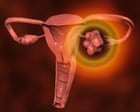
NHS Launches New Guidance for PMOS Detection
Healthcare authorities have issued fresh directives emphasizing the importance of PMOS testing women who experience menstrual irregularities. The National Institute for Health and Care Excellence (NICE) has released updated guidelines addressing a significant gap in diagnosis and management of polyendocrine metabolic ovarian syndrome, commonly referred to as PMOS.
An estimated 4 million women in the UK with irregular periods syndrome may require investigation to determine whether they have this underrecognized condition. The NHS guidance represents a pivotal shift in how healthcare providers approach reproductive health screening and metabolic assessment.
Understanding PMOS: The Condition Affecting Millions
Polyendocrine metabolic ovarian syndrome, previously identified as polycystic ovarian syndrome, remains significantly underdiagnosed across healthcare systems. According to the World Health Organization, approximately 13% of women of reproductive age live with this condition, making it one of the most prevalent endocrine disorders among females.
The newly revised NHS classification emphasizes the metabolic and endocrine components of the disorder, reflecting growing scientific understanding of how the condition impacts hormone regulation, glucose metabolism, and overall reproductive function. This broader perspective has prompted healthcare providers to adopt more comprehensive screening protocols.
Current Diagnostic Challenges and Inconsistent Management
NICE guidance identifies critical issues within existing healthcare systems regarding PMOS management. The condition has historically faced inconsistent diagnostic criteria and fragmented treatment approaches across different NHS trusts and healthcare facilities. Many women remain undiagnosed for years, often attributing their symptoms to other causes or accepting irregular menstruation as normal variation.
The lack of standardized screening procedures has led to delayed interventions and missed opportunities for early management. Women frequently present with multiple symptoms—including irregular or absent periods, fertility concerns, hormonal imbalances, and metabolic dysfunction—without receiving a definitive diagnosis or coordinated care plan.
Implications of the New NHS Testing Recommendations
The updated guidance recommends systematic investigation of women presenting with irregular periods syndrome through evidence-based diagnostic pathways. This approach aims to identify cases earlier, allowing healthcare providers to implement appropriate management strategies and lifestyle interventions.
By advocating for broader testing of the female population experiencing menstrual irregularities, the NHS seeks to reduce underdiagnosis rates and improve health outcomes. Early detection enables timely intervention addressing metabolic complications, fertility preservation, and prevention of associated conditions such as type 2 diabetes and cardiovascular disease.
What This Means for Women's Healthcare
The implementation of standardized NHS guidance PCOS protocols will likely result in increased referrals for diagnostic testing, specialist consultations, and tailored treatment plans. Women should anticipate more thorough reproductive health evaluations when consulting healthcare providers about menstrual irregularities.
Healthcare professionals across primary and secondary care settings will need to familiarize themselves with updated diagnostic criteria and management approaches for polyendocrine metabolic ovarian syndrome. This includes understanding the condition's metabolic implications beyond purely reproductive aspects.
The Broader Impact on Reproductive Health Screening
These recommendations signal a commitment to improving women's healthcare delivery and addressing long-standing gaps in diagnosis and management. By prioritizing investigation of irregular menstruation as a potential indicator of underlying metabolic or endocrine dysfunction, the NHS acknowledges the prevalence and clinical significance of this condition.
The updated guidance encourages healthcare systems to adopt consistent diagnostic frameworks, ensuring that women across all regions receive equitable access to appropriate screening and management. This standardization addresses previous inconsistencies that left many patients without clear diagnosis or treatment direction.
As awareness increases and diagnostic practices improve, healthcare professionals and women themselves should recognize irregular periods as a significant symptom warranting investigation. The NHS guidance provides evidence-based recommendations to guide clinical decision-making and ensure more women receive timely diagnosis and appropriate care for polyendocrine metabolic ovarian syndrome and its associated health implications.