
Oil Prices Drop as Strait of Hormuz Reopening Talks Advance
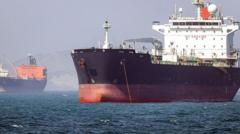
Oil Prices Experience Decline Amid Strait of Hormuz Reopening Prospects
Energy markets showed a significant response this week as oil prices fell following encouraging developments regarding a potential reopening of the Strait of Hormuz. The Strait of Hormuz reopening negotiations have captured international attention, with major diplomatic figures signaling substantial progress toward restoring normal maritime traffic through one of the world's most strategically important waterways.
Diplomatic Progress Accelerates Trade Route Negotiations
The momentum in discussions about restoring operations at the Strait of Hormuz gained considerable traction after key US government officials provided public statements about the advancement of talks. Secretary of State Marco Rubio made clear that negotiations have reached a stage where resuming commercial shipments appears increasingly feasible. Simultaneously, Treasury Secretary Scott Bessent offered his own confirmation that discussions have progressed to a point where practical arrangements for restarting maritime commerce could soon materialize.
These dual announcements from high-ranking government officials underscore the significance of the Strait of Hormuz reopening initiative. By signaling that talks have moved beyond preliminary stages, both officials communicated to international markets that tangible solutions may be within reach. The coordinated messaging from the State and Treasury departments reflects the administration's commitment to addressing the disruption that has affected global energy supplies.
Market Response to Reopening Developments
The oil prices decline observed in recent trading sessions directly correlates with investor confidence in the potential Strait of Hormuz reopening. When energy traders perceive reduced risk to supply chains and maritime routes, commodity valuations typically adjust downward. This market reaction suggests that participants believe restrictions affecting the passage of petroleum shipments through the waterway may soon be lifted.
The Strait of Hormuz serves as a critical conduit for approximately one-third of the world's seaborne traded oil. Any disruption to traffic through this narrow passage between Iran and Oman immediately sends ripples through global energy pricing. Conversely, indications that normal flow might resume provide reassurance to markets that have grown accustomed to supply uncertainties.
Implications for Global Energy Markets
The significance of achieving a Strait of Hormuz reopening extends far beyond immediate price adjustments. Sustained restoration of normal shipping through the waterway would provide greater stability to petroleum supplies destined for Europe, Asia, and other consumer regions. This stability could help moderate volatility in energy costs, benefiting industries and consumers who depend on predictable fuel pricing.
Oil prices decline represents a preliminary market adjustment based on diplomatic signals rather than confirmed resolution of underlying issues. However, the willingness of high-ranking officials to publicly discuss advances in Strait of Hormuz reopening talks signals determination to reach a sustainable solution. The phased diplomatic approach evident in these discussions suggests that further announcements may follow as negotiations continue.
Strategic Importance of the Trade Route
Understanding why the Strait of Hormuz reopening matters requires recognizing the waterway's role in global commerce. Beyond petroleum, the passage handles transit of liquefied natural gas, refined petroleum products, and diverse other commodities essential to industrial economies worldwide. Any obstruction to this route creates cascading effects throughout supply chains that have become dependent on uninterrupted maritime access.
The recent statements from Marco Rubio and Scott Bessent reflect broader efforts to stabilize this critical infrastructure. When officials of their caliber engage publicly in discussions about maritime passage, it indicates that achieving a Strait of Hormuz reopening has become a priority for US foreign and economic policy. This institutional backing provides additional credibility to suggestions that meaningful progress has occurred.
Looking Forward: Expectations for Resolution
As oil prices decline in response to reopening negotiations, market observers await concrete confirmation that commercial traffic will indeed resume through the Strait of Hormuz. The current diplomatic phase appears to have established sufficient consensus that officials feel confident making public statements about progress. Whether these discussions ultimately produce a comprehensive, lasting solution remains to be seen.
The Strait of Hormuz reopening, should it materialize fully, would represent a significant achievement in international relations and energy security. Both the economic and geopolitical implications would extend across numerous nations dependent on stable energy supplies. The declining oil prices we observe today may ultimately prove to be the first indication of a broader transformation in global energy market dynamics.


