
Oliver Tree's Body Repatriated to US Following Helicopter Accident
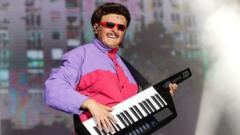
World Tour Cut Short by Tragic Helicopter Incident
The entertainment world mourned the loss of a prominent musician following a devastating Oliver Tree helicopter crash that occurred during his international concert tour. The 32-year-old artist, originally from California, was traveling between tour dates when the tragic accident took place, ultimately claiming his life and shocking fans across the globe.
The helicopter crash marked an unexpected and heartbreaking conclusion to what had been a significant period of professional activity for the performer. His tour had been scheduled to include multiple international stops, with Brazil positioned as a key destination for upcoming performances. The accident happened during travel between tour commitments, highlighting the risks associated with the demanding schedule of professional musicians.
Repatriation Process Completed
Following the tragic Oliver Tree helicopter crash, authorities initiated procedures to return the musician's remains to his home country. The repatriation was completed successfully, bringing his body back to the United States where his family and professional representatives could proceed with arrangements. This process involved coordination between international authorities, aviation officials, and relevant government agencies to ensure proper handling during the transfer.
The return of the remains represented a significant moment for the grieving family and the music community at large. Fans and fellow artists expressed their condolences during this difficult period, as the reality of the incident continued to unfold across social media platforms and entertainment news outlets worldwide.
Impact on the Music Community
The loss of the 32-year-old California native sent shockwaves through the entertainment industry, prompting reflection on the challenges and dangers inherent in modern touring. Musicians often face exhausting schedules that require frequent travel across vast distances, sometimes necessitating helicopter transportation to meet demanding itineraries. The helicopter crash brought these realities into stark focus for both industry professionals and the general public.
Colleagues and industry figures released statements expressing their shock and sorrow at the tragedy. The incident served as a sobering reminder of the occupational hazards that accompany life on the road for touring musicians and entertainment professionals. Many in the industry reflected on safety protocols and the sustainability of demanding touring schedules.
Tour Cancellations and Unfinished Business
The planned Brazil performance, which had been a focal point of the international leg of his world tour, would never take place. Concert promoters and venue operators faced the difficult task of addressing canceled dates and ticketing issues stemming from the tragedy. Fans who had anticipated seeing the artist perform were left grappling with disappointment and the profound loss of a musician they had supported.
The unfinished tour represented more than just canceled shows; it symbolized a career cut short at its peak. The musician had been actively developing his artistry and connecting with audiences internationally when the tragedy interrupted everything. This aspect of the incident resonated deeply with his fanbase and the broader music community.
Remembering the Artist
In the aftermath of the Oliver Tree helicopter crash, tributes poured in from around the world. Fans created memorials, shared favorite performances, and discussed the impact of his music on their lives. Social media became a platform for collective grieving and celebrating the artistic contributions he had made during his career.
The musician's legacy extended beyond his recorded work, encompassing his live performances and the connections he had forged with audiences during his world tour. His influence on contemporary music would continue to be recognized and discussed in the years following the tragic helicopter crash that claimed his life.


