
Over 66% of England Faces Severe Drought Conditions
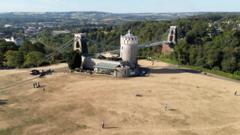
Escalating Water Crisis Across England
The England drought conditions have reached a critical stage, with more than two-thirds of the nation now classified under official drought status. This unprecedented expansion of dry conditions marks a significant environmental challenge for the country, affecting millions of residents and businesses across multiple regions simultaneously.
Affected Regions and Geographic Scope
The water shortage England has intensified with several key areas transitioning into formal drought designation. The East Midlands region, encompassing major population centers and agricultural zones, now operates under drought protocols. Lincolnshire and Northamptonshire, historically important agricultural areas in the Midlands, have also entered this critical status.
The southeastern regions face equally severe challenges. Kent and East Sussex, densely populated counties that supply water to millions, are now classified as drought areas. Additionally, the Solent region and the South Downs, which provide essential water resources to southern England, have moved into drought status alongside these other territories.
Understanding Drought Status Classification
The designation of drought status regions represents an official acknowledgment by water authorities that supply conditions have deteriorated beyond normal operating parameters. This classification triggers specific management protocols and conservation measures designed to protect remaining water resources and ensure equitable distribution across affected populations.
When regions achieve drought status, water companies implement enhanced monitoring systems, emergency supply procedures, and public conservation campaigns. These measures aim to mitigate the impact on essential services while encouraging voluntary reduction in non-essential water consumption by households and businesses.
Impact on Communities and Infrastructure
The expansion of the environmental crisis England presents serious consequences for affected communities. Agricultural productivity faces direct threats as irrigation becomes restricted during critical growing seasons. Farmers in the East Midlands, Lincolnshire, and Northamptonshire regions confront difficult decisions regarding crop management and livestock watering during an already challenging period.
Urban areas face different but equally significant pressures. Densely populated regions in Kent, East Sussex, and around the Solent depend heavily on consistent water supply for residential consumption, industrial processes, and public services. The transition to drought status necessitates careful rationing and priority allocation protocols.
Water Management and Response Strategies
The water management UK approach to this widespread drought encompasses multiple intervention levels. Water authorities have activated emergency protocols developed for such scenarios, including enhanced abstraction from alternative sources, activation of backup reservoirs, and implementation of mandatory usage restrictions where necessary.
Supply chain management becomes critical during extended drought periods. Water authorities must coordinate between regions to ensure that available resources serve the most essential functions first—primarily domestic consumption and healthcare services. Industrial water users and non-essential commercial operations often face the most significant restrictions.
Long-term Implications and Future Outlook
The geographic extent of current England drought conditions suggests that this represents more than a temporary dry spell. Climate patterns indicate potential continuation of below-average rainfall across affected regions through the near future, requiring sustained conservation efforts and resource management.
Water companies, government agencies, and local authorities are coordinating comprehensive response strategies. These include public education campaigns emphasizing conservation practices, investment in alternative water sources, and examination of infrastructure improvements to enhance drought resilience across the nation.
Conclusion
With more than two-thirds of England now classified under drought status, the water shortage England situation demands immediate attention and coordinated action from all stakeholders. The movement of the East Midlands, Lincolnshire, Northamptonshire, Kent, East Sussex, Solent, and South Downs into formal drought status signals a critical moment in the nation's water security. Continued monitoring, adaptive management strategies, and public cooperation remain essential to navigating this significant environmental and infrastructural challenge.


