
Panama Canal Reduces Transit Capacity Amid Drought Crisis
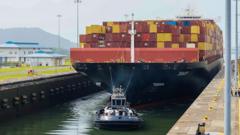
Panama Canal Implements Transit Restrictions Amid Water Shortage
The Panama Canal, one of the world's most vital maritime passages, announced significant operational changes that will substantially affect international shipping patterns. Due to persistent drought conditions linked to El Niño weather systems, the waterway's management authority has made the difficult decision to reduce the number of vessels permitted to transit daily through the crucial corridor.
Understanding the Drought Emergency
The Panama Canal drought stems from abnormally low rainfall patterns triggered by the El Niño climate phenomenon. This ocean and atmospheric pattern has disrupted precipitation across Central America, directly impacting the freshwater supplies essential for canal operations. The Canal Authority determined that current water levels can no longer sustain normal capacity operations without risking severe infrastructure damage.
Water scarcity represents an unprecedented challenge for the Panama Canal system. The waterway relies entirely on Gatun Lake, a massive artificial reservoir created to facilitate ship passage through the locks. When rainfall decreases significantly, water levels drop below optimal operational thresholds, forcing authorities to implement emergency protocols.
Impact on Global Shipping Operations
The reduction in daily transits creates substantial implications for international maritime commerce. Companies relying on the Panama Canal route must now plan extended timelines or consider alternative passages, including the longer route around Cape Horn. This Panama Canal capacity constraint affects goods ranging from consumer products to industrial materials destined for markets worldwide.
Shipping operators report increased costs associated with longer transit routes and delayed deliveries. The restrictions force difficult decisions regarding vessel scheduling and supply chain logistics. Some companies face pressure to reroute shipments through alternative passages, adding days to journeys and increasing fuel expenditures.
Historical Context and Drought Severity
While the Panama Canal has weathered operational challenges before, the current drought represents one of the most severe water crises in recent decades. The combination of El Niño effects and potentially longer-term climate patterns has created an unprecedented situation for canal administrators.
The Canal Authority implemented previous restrictions during past drought periods, but the current situation's intensity and projected duration suggest extended operational constraints. Engineers continue monitoring Gatun Lake levels hourly, making daily decisions about permissible transits.
Management Response and Future Outlook
Canal operators announced specific protocols governing which vessels receive priority for transit. Container ships, bulk carriers, and specialized vessels must now compete for limited daily slots. The ranking system prioritizes vessels by size, cargo type, and commercial importance.
The Panama Canal drought management strategy includes conservation measures designed to extend available water supplies. Such measures may involve operational adjustments or temporary restrictions on specific vessel types. Management emphasizes that these difficult decisions aim to preserve the canal's long-term viability and prevent catastrophic water depletion.
Global Economic Consequences
The Panama Canal's reduced capacity creates ripple effects throughout global trade networks. Port operators, shipping companies, and exporters worldwide must adapt to longer lead times and higher transportation costs. Industries dependent on just-in-time delivery face particular challenges.
Economic analysts note that prolonged drought conditions could fundamentally alter trading patterns if alternative routes gain competitive advantage through improved scheduling certainty. The situation highlights global commerce's vulnerability to climate-related disruptions affecting critical infrastructure.
Climate Considerations and Long-term Planning
The El Niño-driven drought raises questions about climate resilience and infrastructure planning. The Panama Canal drought demonstrates how global weather patterns influence international commerce and economic stability. Climate scientists warn that changing precipitation patterns may require permanent operational adjustments.
The Canal Authority continues evaluating long-term solutions, including water management enhancements and possible infrastructure modifications. These considerations balance operational needs with environmental sustainability concerns.


