
Plug-in Solar Panels: The Game-Changing Energy Solution Arriving Retailers
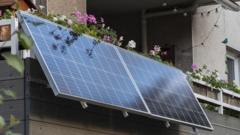
Understanding Plug-in Solar Panels: A Revolution in Home Energy
Plug-in solar panels represent a significant breakthrough in renewable energy technology that is set to become increasingly accessible to consumers across the United Kingdom. These innovative systems, which the UK government believes could enable households to substantially reduce their energy bills, are beginning to arrive at retail locations nationwide, marking a pivotal shift in how families approach home energy management.
The emergence of plug-in solar panels addresses growing consumer demand for flexible and cost-effective renewable energy solutions. Unlike traditional fixed solar installations that require professional mounting and electrical integration, plug-in solar panels offer a more straightforward approach to harnessing solar power for domestic use.
Government Support for Plug-in Solar Technology
UK government officials have positioned plug-in solar panels as a viable pathway for residential energy independence. According to government assessments, homeowners implementing these systems could achieve meaningful reductions in their energy expenses. This official backing reflects a broader commitment to expanding renewable energy adoption across British households, particularly as energy costs continue to fluctuate and environmental concerns intensify.
The government's endorsement comes alongside growing recognition that alternative energy sources are essential for achieving national sustainability targets and reducing dependence on conventional power grids during peak demand periods.
Retail Availability and Consumer Access
The widespread rollout of plug-in solar panels through retail channels represents a democratization of solar technology. Previously, solar solutions required specialized knowledge and professional installation, creating barriers for average consumers. By making these products available in conventional shops and online retail platforms, manufacturers and retailers are removing obstacles that prevented adoption.
This shift toward retail distribution ensures that homeowners can examine products directly, consult with sales representatives, and make informed purchasing decisions without navigating complex installation processes or lengthy consultation periods.
Key Benefits of Plug-in Solar Panel Systems
Plug-in solar panels deliver multiple advantages for residential consumers seeking energy alternatives. The flexibility inherent in these systems allows homeowners to position panels to maximize sunlight exposure based on their property's unique layout and orientation. Unlike permanently mounted installations, plug-in systems can be relocated, adjusted, or scaled according to changing household requirements.
The reduced installation complexity translates into lower upfront costs compared to traditional solar array systems. Users can generally establish functionality without specialized electrical work, making ownership accessible to a broader demographic. Additionally, plug-in solar panels maintain portability advantages—homeowners relocating to new properties can transport their systems rather than abandoning substantial investments.
Energy Savings Potential and Bill Reduction
The significant energy bill reductions highlighted by government assessments stem from decreased reliance on grid-supplied electricity. Plug-in solar panels generate power during daylight hours, offsetting consumption from traditional sources. In properties with consistent sunny exposure, savings accumulate substantially throughout annual cycles, particularly during extended daylight seasons.
Households incorporating plug-in solar panels alongside smart energy management practices can maximize financial benefits. By timing high-consumption activities—such as charging devices or operating appliances—during peak solar generation periods, users amplify their return on investment and achieve the bill reductions government projections describe.
Shopping for Plug-in Solar Panels Near You
Retailers now stocking plug-in solar panels include major electronics suppliers, home improvement centers, and specialized renewable energy retailers. The expanding availability makes comparison shopping straightforward, allowing consumers to evaluate specifications, wattage output, efficiency ratings, and pricing across competing brands and models.
Before purchasing, homeowners should assess their property's solar potential by calculating average daily sunlight hours in their specific location, evaluating roof or garden space suitable for panel placement, and determining realistic electricity generation capacity based on their consumption patterns and seasonal variations.
Making Your Plug-in Solar Panel Investment
Prospective buyers should research available models thoroughly, reading consumer reviews and verification documentation regarding energy output claims. Understanding your household's baseline electricity consumption helps determine appropriate system capacity. Government schemes and potential incentive programs may provide financial assistance for renewable energy adoption, making initial investment more manageable.
As plug-in solar panels become increasingly mainstream in retail environments, UK consumers gain practical opportunities to transition toward sustainable, cost-effective home energy solutions that align with both personal financial interests and environmental responsibility.


