Reform UK Figure Banks Hired Private Detectives Against Journalist
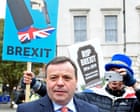
Reform UK Campaigner Allegedly Targeted Investigative Reporter
A prominent Reform UK member and Brexit campaigner has reportedly engaged private detectives journalist to conduct surveillance on a Sunday Times reporter, raising questions about intimidation tactics in political journalism. Arron Banks, a well-known figure in Brexit circles, allegedly funded investigators to look into Gabriel Pogrund, who leads the newspaper's Insight investigations team.
The allegations emerge following Pogrund's publication of multiple stories examining the financial operations and leadership structure of Reform UK, as well as his coverage of Nigel Farage's involvement with the political movement. The use of private detectives journalist services against media professionals has sparked concerns about press freedom and accountability mechanisms.
Background on the Investigation
Gabriel Pogrund, serving as editor of the Sunday Times' Insight investigations unit, has built a reputation for examining complex political narratives and financial networks. His reporting on Reform UK allegedly prompted the response from Banks, suggesting that journalistic scrutiny may have triggered the decision to employ investigative services.
The Sunday Times Insight team specializes in in-depth investigations into matters of public interest, including political party financing, electoral transparency, and connections between prominent figures. Pogrund's work represents the type of investigative journalism that holds public figures and organizations accountable to democratic standards.
Questions About Accountability and Transparency
The alleged use of private detectives journalist resources to examine a reporter raises significant questions about acceptable conduct by political figures. Such actions potentially represent an attempt to intimidate or gather compromising information about journalists engaged in legitimate investigative work.
When questioned about whether he targeted the reporter investigating party finances, Banks commented with the phrase: "When you live by the sword, you die by the sword," suggesting a confrontational approach to media scrutiny. This statement implies acceptance of aggressive tactics in response to journalistic investigation.
Implications for Press Freedom
The situation highlights broader concerns about protecting investigative journalists from retaliation or intimidation. Democratic societies depend on the ability of reporters to examine public figures and organizations without fear of personal surveillance or professional consequences.
Private detectives journalist engagement by political figures against reporters represents a potential chilling effect on investigative work. When journalists face the prospect of being investigated in return for their reporting, the calculus for pursuing challenging stories becomes more difficult.
Political Context and Reform UK
Reform UK has positioned itself as an alternative political movement in British politics, particularly appealing to voters with concerns about immigration and governmental direction. The party's financial structure and leadership connections have attracted media attention, particularly regarding Nigel Farage's role and influence.
Farage, a longtime figure in British politics and prominent voice in the Brexit movement, has been central to Reform UK's public profile. His association with the party and its operations have been subjects of journalistic examination, contributing to the scrutiny that apparently prompted the alleged investigative response.
Reactions and Ongoing Developments
The revelation of Banks' alleged employment of private detectives journalist services has generated discussion among media professionals and political observers about appropriate boundaries in political conduct. Professional journalists' organizations typically oppose attempts to intimidate or surveille reporters engaged in lawful investigation.
The incident underscores the tension between public figures seeking to control their narratives and journalists' responsibility to investigate matters affecting public understanding. As more details emerge about the scope and nature of the alleged investigation into Pogrund, further commentary may address the implications for media independence.
This development contributes to broader conversations about the relationship between political organizations and investigative journalism in contemporary British politics, particularly regarding how figures respond when their activities face public scrutiny.