
Romania Closes Nuclear Facility Due to Critical Danube Water Level Drop
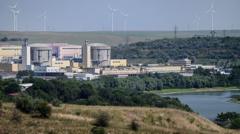
Romania's Nuclear Power Generation Faces Major Disruption
Romania has been forced to shut down its primary nuclear facility as unprecedented weather conditions continue to compromise the nation's energy infrastructure. The Cernavodă nuclear plant shutdown represents a significant challenge for the country's power generation capacity, with authorities indicating that restoration of normal operations may take considerably longer than initially anticipated.
The Cernavodă Plant's Critical Role
The Cernavodă installation serves as a cornerstone of Romania's electrical supply network, accounting for approximately 20% of the nation's total electricity production. This facility's temporary closure creates a substantial gap in the country's energy portfolio and raises concerns about potential power shortages during the coming weeks.
Environmental Factors Behind the Shutdown
Extreme heat conditions across Central and Eastern Europe have triggered an unprecedented decline in water levels across the Danube River system. The Danube River water levels have dropped to critical thresholds, making it impossible for the nuclear plant to continue its standard cooling operations. Nuclear facilities require substantial quantities of water for their thermal management systems, and when river levels fall below safe operational minimums, plants must suspend activities to prevent environmental and operational hazards.
Climate Crisis Impact on Water Resources
The current situation exemplifies how climate-related challenges directly affect critical infrastructure dependent on natural water sources. The Danube, one of Europe's most important waterways, has become increasingly vulnerable to seasonal variations and extended dry periods. This vulnerability threatens not only energy production but also transportation, agriculture, and drinking water supplies across multiple nations sharing the river basin.
Timeline for Nuclear Plant Restart
Romanian energy officials have confirmed that the Cernavodă nuclear plant is not anticipated to resume operations within the immediate 10-day window following the shutdown announcement. Factors determining the facility's restart include measurable increases in Danube River water levels and verification that cooling systems can function safely at restored capacity. Weather forecasts will play a decisive role in determining when conditions allow for the plant's reactivation.
National Energy Security Implications
The temporary loss of this substantial electricity source forces Romania to rely more heavily on alternative power generation methods during the shutdown period. This increased dependence on backup systems strains the country's grid infrastructure and may necessitate importing electrical energy from neighboring nations, potentially increasing domestic energy costs for consumers.
Short-term Energy Strategy
To manage the reduced nuclear capacity, Romania's energy authorities are implementing contingency protocols to maintain grid stability. These measures may include increased output from thermal and renewable energy facilities, though such alternatives carry their own operational constraints and environmental considerations.
Broader European Energy Concerns
This shutdown reflects larger patterns affecting European energy infrastructure during periods of extreme climate stress. Other nations across the continent have experienced similar disruptions to nuclear, hydroelectric, and thermal power facilities when environmental conditions deteriorate beyond safe operating parameters. The interconnected nature of European energy markets means that power shortages in one nation can create cascading effects throughout the region.
Looking Ahead
As global temperatures continue to fluctuate and extreme weather events become more frequent, the vulnerability of water-dependent energy infrastructure becomes increasingly apparent. Romania's experience with the Cernavodă nuclear plant shutdown underscores the urgent need for energy systems that can maintain resilience despite environmental uncertainties. Both immediate solutions and long-term planning will prove essential as the nation navigates this energy challenge and prepares for future disruptions.


