Royal Navy Faces Resource Crisis Amid Arctic Russian Threats
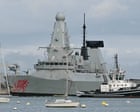
Critical Assessment of Naval Capabilities in the High North
Parliament's defence select committee has raised serious concerns about the Royal Navy resources Arctic threat, highlighting substantial gaps in Britain's ability to respond to potential Russian aggression beyond UK waters. The committee's findings reveal that current naval assets are insufficient to maintain effective deterrence in strategically vital northern regions, prompting urgent calls for reinforced military capabilities.
The investigation into Royal Navy readiness demonstrates that declining vessel numbers, combined with reduced operational availability, create significant vulnerabilities in UK defence posture. These shortcomings coincide with intensified Russian military activity and expanded Arctic operations, elevating geopolitical tensions in critical maritime zones.
Evidence of Operational Strain on the Fleet
Multiple indicators illustrate the navy's operational pressures. The deployment schedule for HMS Dragon illustrated concerning delays when the vessel proceeded to Cyprus during spring operations, reflecting broader scheduling complications within the naval force structure. Additionally, the frigate fleet has experienced progressive numerical reductions, limiting the navy's capacity to maintain continuous presence across multiple operational areas simultaneously.
Perhaps most concerning, all five Astute-class attack submarines underwent simultaneous docking for maintenance and repairs during summer months. This unprecedented situation left the submarine force temporarily unable to conduct active patrols, representing a critical vulnerability in underwater deterrence capabilities essential for Arctic defence operations.
Strategic Implications for UK Defence
The high north represents increasingly contested waters where Britain maintains significant strategic interests. Russian military modernization and expanded Arctic operations have transformed this region into a focal point for international competition. Without adequate Royal Navy resources Arctic threat mitigation, the UK faces diminished capacity to project power, protect vital sea lanes, and maintain credible deterrence against potential adversaries.
The defence committee emphasizes that current asset levels and availability rates fall considerably short of requirements necessary to effectively counter evolving threats in northern waters. This assessment reflects broader recognition within Parliament that naval modernization and expansion require immediate, sustained investment.
Structural Challenges Within Naval Operations
Submarine maintenance cycles create particular complexity for operational planning. Attack submarines require regular dock periods for comprehensive maintenance, yet the scheduling of all five vessels simultaneously during summer months exposed critical vulnerabilities. This situation highlights insufficient redundancy within the submarine force and inadequate facility capacity to support rotational deployment schedules that maintain continuous operational presence.
The frigate situation presents parallel concerns. With declining numbers entering service while older vessels retire without timely replacements, the destroyer and frigate flotilla faces increasing strain maintaining assigned missions. Surface vessels typically require sustained presence to protect merchant shipping, support NATO operations, and demonstrate British commitment across multiple ocean zones simultaneously.
Parliamentary Demands for Transformation
The defence select committee has stated unequivocally that dramatic progress must occur before the decade concludes. This timeframe underscores the urgency Parliament ascribes to the situation and establishes a clear benchmark for measuring governmental response to identified shortfalls.
MPs argue that incremental adjustments prove insufficient given the scale of challenges and the acceleration of Russian military modernization in Arctic regions. Instead, comprehensive restructuring of naval investment priorities, accelerated procurement timelines, and expanded recruitment and training initiatives are necessary to restore adequate deterrent capabilities.
Investment and Future Procurement Priorities
Addressing Royal Navy resources Arctic threat requires substantial financial commitment and strategic planning across multiple decades. The committee's analysis suggests that current budget allocations fail to align with stated strategic priorities regarding high-north operations and Russian deterrence.
Future investment must encompass not merely additional vessels but also supporting infrastructure including maintenance facilities, port capabilities, and training establishments necessary to sustain expanded fleet operations. Enhanced submarine production capacity represents a particular priority, as does accelerated frigate and destroyer construction schedules.
Broader Security Implications
Beyond immediate Royal Navy readiness concerns, parliamentary findings reflect wider anxieties about UK capability to meet evolving security challenges. NATO alliance commitments in northern regions depend partly on British contribution levels, and reduced Royal Navy resources Arctic threat response capability potentially undermines collective defence arrangements.
The committee's warning represents a formal parliamentary statement that current defence posture proves inadequate for foreseeable threats and anticipated operational demands. This assessment carries significant implications for government defence policy, budgetary decisions, and long-term military planning extending well beyond the current fiscal year.