
Security Breach Claims Emerge After Hospital Fire Kills 14 Newborns
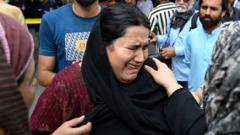
Fire at Pakistan Hospital Claims 14 Newborn Lives Amid Security Controversy
A devastating fire at a Pakistani medical facility has resulted in the tragic death of 14 infants, prompting intense scrutiny regarding the hospital fire killed babies incident and the circumstances surrounding the emergency response. Eyewitnesses have provided conflicting accounts about access protocols during the crisis, raising critical questions about facility safety measures and evacuation procedures.
Witness Accounts and Access Dispute
Multiple individuals present at the scene during the hospital fire killed babies tragedy have stated that the neonatal ward entrance was secured with a locked door, potentially delaying rescue operations during the critical minutes following the outbreak of flames. These testimonies suggest that the physical barrier may have obstructed immediate access to the affected infants who were unable to evacuate independently.
The accounts from witnesses paint a picture of confusion and possible delays during the initial response phase. Several observers claim that personnel attempting to reach the newborns encountered a sealed entrance that required additional time to open, precious moments that could have been crucial in a life-or-death scenario involving vulnerable patients.
Hospital's Official Position on Security Measures
In response to allegations regarding the hospital fire killed babies incident, hospital administrators have firmly rejected claims that the ward door was locked during the emergency. According to statements provided to media outlets, the facility maintains that the entrance was not secured by a lock mechanism but rather staffed by security personnel whose responsibility was ensuring infant protection.
The hospital's representatives argue that their security protocols were designed to safeguard the vulnerable newborn population from unauthorized access and potential threats. They contend that trained security guards maintained a continuous presence at the ward entrance, permitting authorized medical staff and emergency responders immediate entry when the fire alarm was activated.
Investigation Into Emergency Response Procedures
The hospital fire killed babies tragedy has prompted authorities to launch comprehensive investigations into whether facility safety standards were adequately maintained and properly implemented. Investigators are examining emergency response protocols, staff training procedures, and the effectiveness of evacuation measures specifically designed for critical care wards housing newborns.
Questions have emerged about whether security arrangements prioritized infant protection in ways that may have inadvertently complicated emergency access during an acute crisis. The distinction between controlled access for routine operations and emergency accessibility during disasters represents a critical area of focus for investigators reviewing the incident.
Neonatal Ward Fire Safety Standards
This hospital fire killed babies incident raises broader concerns about safety standards and infrastructure in medical facilities caring for the most vulnerable patient populations. Neonatal intensive care units house infants with critical health conditions requiring specialized monitoring and life support systems, necessitating rigorous fire prevention and emergency response protocols.
Medical facility experts emphasize that emergency exits and access routes must remain unobstructed and immediately operational to ensure rapid evacuation when fire hazards emerge. The balance between security measures protecting newborns from external threats and emergency accessibility remains a complex challenge requiring careful institutional planning.
Community Impact and Ongoing Analysis
The hospital fire killed babies tragedy has devastated families and sparked intense community scrutiny regarding facility safety oversight. Local authorities and healthcare regulatory bodies are intensifying reviews of similar medical institutions to identify potential vulnerabilities and ensure comprehensive compliance with fire safety standards.
As investigations continue, the fundamental questions surrounding emergency response timing and security procedures during this hospital fire killed babies incident will likely influence future policy recommendations for neonatal care facilities throughout the region.


