
Severe Wildfire Advances Within Nine Miles of Bordeaux France
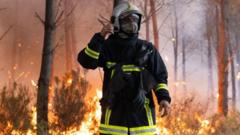
Wildfire Near Bordeaux France Threatens Region
A massive wildfire near Bordeaux France has sparked major concerns among local authorities and residents as flames continue their relentless advance toward one of the country's most important cities. The situation has become increasingly critical, with officials preparing contingency plans for what could become a catastrophic emergency if weather conditions fail to improve or winds shift unfavorably.
Thomas Cazenave, the mayor of a significant municipality in the affected zone, has taken the lead in coordinating emergency response measures. His administration is actively monitoring the situation and developing evacuation protocols should the fire continue its dangerous trajectory toward populated areas. The proximity of the wildfire to Bordeaux represents an unprecedented threat to the region's infrastructure, economy, and population.
Mayor Issues Urgent Warning About Potential Evacuations
Thomas Cazenave has publicly acknowledged that his team remains in a constant state of readiness, ensuring that evacuation orders can be swiftly implemented if necessary. The mayor emphasized that preparation is paramount, as the wildfire near Bordeaux France demonstrates how quickly natural disasters can escalate and impact civilian populations.
In a nearby town, local leadership has characterized the unfolding crisis as "catastrophic" in nature. This assessment reflects the genuine concern that emergency services and municipal officials have regarding the fire's trajectory and potential consequences. The characterization of the situation as catastrophic underscores the severity of the environmental conditions and the real dangers facing communities in the path of the advancing flames.
Emergency Response Coordination in Progress
The wildfire near Bordeaux France has prompted coordinated efforts among multiple levels of government and emergency services. Regional authorities have mobilized firefighting resources, including aerial units and ground crews, to combat the spread of flames. These teams work around the clock under challenging conditions, battling intense heat and unpredictable fire behavior.
Local evacuation centers have been established and stocked with supplies to accommodate potential displaced residents. Healthcare facilities have been placed on alert to manage any injuries resulting from the fire or evacuation procedures. Thomas Cazenave and his counterparts in neighboring jurisdictions continue to communicate regularly with French national authorities to ensure comprehensive disaster response coordination.
Community Preparedness and Safety Measures
Residents in communities threatened by the wildfire near Bordeaux France have been advised to remain vigilant and maintain awareness of official announcements. Many families have begun preliminary preparations, gathering important documents, medications, and personal items in anticipation of possible evacuation orders. Schools and businesses have developed contingency plans to address potential disruptions.
The wildfire situation has galvanized community spirit, with neighbors checking on vulnerable individuals including elderly residents and those with limited mobility. Volunteer organizations have mobilized to assist with coordination and support services, recognizing that collective action strengthens community resilience during crises.
Environmental Impact and Fire Behavior Analysis
Meteorological conditions surrounding the wildfire near Bordeaux France have been closely analyzed by experts seeking to predict fire behavior and advancement patterns. Wind speed, humidity levels, and temperature fluctuations all play critical roles in determining how rapidly flames spread and the directions they take. Firefighting operations adjust strategies based on these changing environmental factors.
The terrain surrounding Bordeaux, including vegetation density and landscape features, influences how the fire progresses. Some areas present natural barriers that may slow advancement, while others offer insufficient obstacles to the flames' path. Understanding these geographical complexities helps emergency planners develop more effective containment strategies and evacuation routes.
Looking Forward: Contingency Plans and Recovery
Thomas Cazenave and municipal authorities are not only focused on immediate fire suppression but also considering longer-term recovery and reconstruction possibilities. Should significant damage occur, substantial resources will be required to rebuild affected infrastructure, restore services, and support displaced residents through the recovery process.
The wildfire near Bordeaux France serves as a reminder of climate challenges and the increasing frequency of severe weather events affecting European regions. Long-term planning and investment in fire prevention infrastructure may become essential as environmental patterns continue to evolve.


