
Spain Tightens Border Security Amid Ceuta Migration Crisis
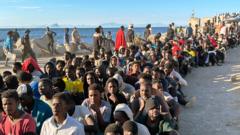
Spain Implements Border Controls Amid Ceuta Migration Escalation
Tensions between European nations have reached a critical point as border controls Ceuta migration becomes a central diplomatic issue. Spain has made the decision to impose comprehensive border restrictions targeting Italy, marking a significant escalation in the ongoing dispute over an unprecedented migrant influx affecting the Spanish exclave of Ceuta.
The situation stems from approximately 78,000 migrants crossing from neighbouring Morocco into Ceuta in recent months, creating an unprecedented humanitarian and administrative challenge for Spanish authorities. This dramatic surge has prompted Madrid to take decisive action by establishing stringent border controls, effectively shifting the responsibility and management of the crisis to neighbouring nations.
The Ceuta Migrant Crisis: Understanding the Scale
The arrival of roughly 78,000 migrants represents one of the most significant migration events affecting Spanish territory in recent years. Located on the North African coast, Ceuta has emerged as a primary entry point for individuals seeking passage into mainland Europe. The sheer volume of arrivals has overwhelmed local resources and infrastructure, forcing Spanish officials to declare a state of emergency.
The influx has presented multiple challenges for Ceuta's authorities, including accommodation, healthcare provision, and security concerns. Local services have been pushed to their breaking point, with temporary shelters and processing centres operating at maximum capacity. Spanish authorities have indicated that this situation cannot be sustained without coordinated international support and burden-sharing mechanisms.
Spain Italy Border Dispute: Diplomatic Tensions Rise
Italy's earlier introduction of border controls appears to have triggered a diplomatic response from Spain. The Spain Italy border dispute reflects broader European concerns about migration management and the equitable distribution of responsibility among EU member states. Spain's decision to implement reciprocal border controls signals frustration with what Madrid views as an inadequate response to the crisis.
The conflict underscores fundamental disagreements about how European nations should cooperate on migration issues. While some countries advocate for burden-sharing arrangements that distribute migrants across member states, others prioritize border security and selective immigration policies. This fundamental discord has created friction between previously cooperative nations.
Migrant Influx Ceuta: Root Causes and Contributing Factors
Understanding the migrant influx Ceuta requires examining the complex factors driving migration from North Africa. Economic disparities, political instability, and limited opportunities in Morocco and neighbouring regions continue to push individuals toward Europe. The proximity of Ceuta to Africa makes it an accessible entry point for those desperate for alternatives.
Additionally, smuggling networks have become increasingly sophisticated, facilitating dangerous sea crossings and land routes. These criminal organizations exploit vulnerable populations, promising safe passage and employment opportunities that rarely materialize. The desperation of migrants attempting to reach Europe often outweighs considerations of personal safety or legal consequences.
Spanish Enclave Security: Fortifying Ceuta
The Spanish authorities have responded to the crisis by strengthening security measures at the Spanish enclave security infrastructure. Additional personnel, surveillance equipment, and administrative resources have been deployed to manage the situation more effectively. Spanish officials have emphasized that these measures are designed to restore order and establish sustainable migration processes.
Enhanced screening procedures now include medical evaluations, security background checks, and documentation verification. These protocols aim to ensure that arrivals are properly processed and that vulnerable individuals receive appropriate assistance. The Spanish government has also coordinated with Moroccan authorities to address the root causes on the sending side.
Mediterranean Migration Crisis: Broader European Context
The events in Ceuta represent part of the larger Mediterranean migration crisis affecting Europe. The Mediterranean Sea continues to witness thousands of attempted crossings annually, with tragic human costs. International organizations have repeatedly called for comprehensive solutions that address both immediate humanitarian needs and long-term structural causes.
European Union leadership has emphasized the necessity of united action and coordinated policies. However, individual member states often pursue divergent interests, making consensus difficult. The Ceuta situation exemplifies these coordination challenges and the urgent need for reformed European asylum and migration frameworks.
Looking Forward: Diplomatic Resolution and International Cooperation
Spanish and Italian officials have indicated their willingness to engage in discussions aimed at resolving the escalating tensions. Diplomatic channels remain open, and both nations recognize the complexity of migration as a pan-European challenge requiring collaborative solutions. However, concrete policy adjustments and resource commitments remain pending.
The resolution of the border controls Ceuta migration dispute will likely require balancing humanitarian considerations with border security concerns. Future arrangements may involve enhanced funding for border management infrastructure, expanded processing capacity, and coordinated international efforts to address migration at its source.


