
Starmer Steps Down as Labour Leader, Opening Path to New PM
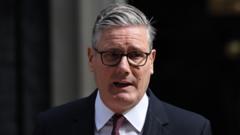
Starmer Steps Down from Labour Leadership
In a significant turning point for British politics, Sir Keir Starmer announced his intention to step aside as Labour leader, effectively paving the way for a new prime minister to take the helm. The formal statement delivered from Downing Street marked the conclusion of his tenure leading the nation's government, creating substantial uncertainty about who will assume control of the Labour party and the country's top political position.
The resignation of Starmer as Labour leader represents a pivotal moment in recent UK political history. His decision to withdraw from the leadership role has immediately sparked speculation about potential successors and the direction the party will take moving forward. This development occurs amid broader discussions about the party's future trajectory and its ability to maintain public confidence.
Official Announcement from Government Headquarters
Sir Keir's formal address to the nation from his official residence underscored the gravity of the situation. The statement came after what sources describe as careful deliberation regarding his future role in government and party politics. The timing of his announcement ensures sufficient opportunity for the party to organize a comprehensive selection process for his replacement.
The resignation statement addressed key considerations that influenced his decision, reflecting on his time as prime minister and Labour party leader. Officials confirmed that the transition will proceed in an orderly fashion, allowing for institutional continuity during this period of leadership change.
Implications for Labour Party Leadership Race
The opening of the Labour leadership contest has already generated considerable discussion among party members and political analysts. Multiple figures within the parliamentary Labour contingent are expected to put forward their nominations as candidates seeking to lead both the party and the nation. This succession process will require careful navigation of party procedures and member engagement.
Political observers anticipate that the contest will showcase different visions for Labour's future direction. Candidates will likely emphasize their own credentials, policy priorities, and strategic approaches to rebuilding party unity. The outcome of this leadership election will substantially influence the party's positioning and electoral prospects in the years ahead.
Political Landscape After Starmer's Departure
The departure of Starmer as Labour leader creates a significant opportunity for party renewal and strategic reassessment. Party members and leadership hopefuls are already mobilizing support networks and preparing campaign messaging. The succession process is expected to generate intense focus from both traditional media outlets and digital platforms.
Key party figures have begun discussing potential candidates and the qualities they believe will be essential for the next Labour leader. These conversations reflect broader concerns about the party's electoral viability and its capacity to address voter concerns on major policy issues including healthcare, economy, and social services.
What Comes Next for the Labour Party
The formal process for selecting a new Labour leader will involve established party procedures designed to ensure democratic participation among members. Timeline considerations suggest the party will work expeditiously to establish a replacement, minimizing any extended period of leadership uncertainty. Senior party officials are reportedly preparing guidance documentation for candidates and campaign structures.
As the Labour party enters this transitional phase, questions persist about how quickly consensus can form around a leading candidate. The selection process will test the party's unity and its ability to present a cohesive vision to the electorate. Political analysts suggest this leadership change may provide an opportunity for the party to reconnect with voter concerns and reconstruct damaged public confidence.
The broader implications of Starmer's resignation as Labour leader extend beyond immediate succession concerns. This development may influence parliamentary dynamics, government policy direction, and the strategic calculations of opposition parties. The coming weeks will be crucial in determining how smoothly this transition unfolds and what strategic direction emerges from the party's leadership selection process.


