Strength Training for Women Over 40: Expert Guide
Strength Training for Women Over 40: Building Muscle in Your Midlife Years
Strength training for women over 40 represents one of the most transformative wellness decisions a mature woman can make. While many believe the body's capacity to build muscle diminishes significantly after 40, certified trainers and fitness experts reveal that age need not be a barrier to developing genuine strength and resilience through resistance work. The challenge lies not in impossibility, but in understanding how midlife bodies respond differently to training stimulus.
Understanding Muscle Loss and Sarcopenia
The human body experiences inevitable changes as it ages, particularly concerning muscular composition. Research demonstrates that after age 40, individuals lose approximately 3% to 8% of muscle mass annually, with accelerated losses occurring after age 50. This natural physiological process, termed sarcopenia, fundamentally alters how muscles respond to exercise protocols compared to younger years. For women navigating this period, the situation becomes increasingly complex when perimenopause enters the equation.
Perimenopause intensifies the difficulty of building and maintaining strength, as hormonal fluctuations complicate both muscle adaptation and recovery mechanisms. Despite these biological realities, strength training for women over 40 remains not only feasible but essential for comprehensive health maintenance and disease prevention.
The Comprehensive Health Benefits of Resistance Training
While aesthetic goals like visible abdominal muscles may prove more elusive, the health dividends from strength training extend far beyond appearance. According to Leigh Breen, an expert in skeletal muscle physiology at Birmingham University, regular resistance training dramatically reduces disease risk. "Regular aerobic and resistance training cuts the risk of almost every noncommunicable disease – type 2 diabetes, cardiovascular disease, Alzheimer's," Breen explains.
This evidence-based approach demonstrates why strength training for women over 40 should be prioritized as preventive medicine. The metabolic improvements, bone density enhancement, and functional strength gains create cascading benefits throughout daily life, from carrying groceries to maintaining independence in advanced age.
Expert Guidance from Established Female Trainers
Several accomplished female fitness professionals who are themselves over 40 have dedicated their careers to helping women in this demographic achieve meaningful results. Stephanie Gaudreau, a certified personal trainer, established Strong With Steph specifically to address the unique training needs of women over 40. Her program recognizes that one-size-fits-all fitness approaches fail to account for age-related physiological considerations.
Anne Marie Chaker, a professional bodybuilder and author of "Lift," brings practical weightlifting expertise for women navigating strength training. Her comprehensive book explores how women of all ages can safely and effectively build muscle through resistance training. Chaker's work demonstrates that female strength athletes come in diverse age ranges and body types.
Caroline Idiens, age 54, founded Caroline's Circuits while authoring "Fit at 50," combining personal experience with professional expertise. Her program design reflects deep understanding of what realistic, sustainable fitness looks like for mature women committed to strength development. Similarly, Kate Whetsel, a 51-year-old certified personal trainer and health coach, specializes in guiding women through perimenopause while maintaining and building muscular strength.
Essential Tools and Equipment for Home Training
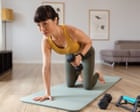
Strength training for women over 40 doesn't require expensive gym memberships or complicated equipment. Neoprene dumbbells represent an excellent starting point, offering comfortable grip, durability, and graduated weight options accommodating progressive overload principles. These tools provide the foundation for countless resistance exercises addressing all major muscle groups.
Resistance bands serve as invaluable supplementary equipment, offering variable resistance throughout movement ranges and enabling creative training modifications. Cooling towels address recovery and comfort, supporting the extended recovery periods midlife bodies sometimes require between sessions. Progressive implementation of these tools, combined with strategic programming, enables consistent strength development.
Starting Your Strength Training Journey
Beginning strength training for women over 40 requires patience, consistency, and realistic expectations. Starting with manageable weights allows proper form development and injury prevention, establishing sustainable foundations for long-term progress. Gradual progression, rather than dramatic intensity increases, honors the body's actual capacity while building genuine capability.
Recovery deserves equal attention as training stimulus. Adequate sleep, proper nutrition emphasizing protein intake, and stress management facilitate the muscle adaptation processes essential to strength development. This comprehensive approach acknowledges that midlife strength building represents a lifestyle commitment rather than a temporary fitness challenge.
Overcoming Common Obstacles and Misconceptions
Many women abandon strength training for women over 40 due to misconceptions about female physiology or aging limitations. The evidence consistently contradicts these limiting beliefs. Women over 40 can develop substantial strength, improve bone density, enhance metabolic function, and experience profound quality-of-life improvements through appropriately designed resistance programming.
The key lies in accepting that the training journey differs from youth-focused approaches while remaining thoroughly worthwhile. Midlife strength training emphasizes functionality, health maintenance, disease prevention, and the psychological confidence accompanying genuine physical capability. These benefits ultimately prove more valuable than any aesthetic outcome alone could provide.