
Surgeons Control Advanced Robots Remotely in Historic Operating Theater
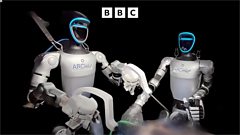
Revolutionary Remote Surgical Robot Control Transforms Operating Theater Standards
In a significant advancement for medical technology, surgeons have successfully demonstrated the remote robot control of two humanoid machines within a modern operating theater environment. This breakthrough in remote robot control surgery represents a pivotal moment in the evolution of surgical procedures and highlights the growing intersection between robotics and healthcare delivery systems.
The demonstration showcased how specialized surgical personnel could direct and manipulate these sophisticated mechanical systems from a distance, effectively extending their expertise and precision to the operating theater without requiring their physical presence at the surgical site.
Understanding the Remote Robot Control Technology
The remote robot control systems utilized in this medical setting incorporate advanced sensory feedback mechanisms and real-time data transmission capabilities. These humanoid machines are engineered to replicate the delicate movements and tactile sensitivity required for complex surgical interventions, making remote robot control surgery a viable option for various medical procedures.
Each robotic unit features multiple articulated arms with precision-guided instruments, allowing surgeons to perform intricate operations with enhanced accuracy. The technology enables surgeons to view high-definition surgical fields through specialized displays while manipulating controls that translate their movements to the remote robot control systems in the operating theater.
Advantages of Surgical Robotics and Remote Operations
The implementation of remote robot control in surgical settings offers numerous benefits to both medical professionals and patients. Enhanced precision represents one of the most significant advantages, as these systems can minimize hand tremors and provide magnified views of the surgical field, resulting in more accurate incisions and reduced tissue damage.
Furthermore, remote robot control surgery enables surgical expertise to transcend geographical limitations. Specialist surgeons can guide procedures in facilities located far from their physical location, democratizing access to high-quality surgical care. This capability proves particularly valuable in remote regions or during emergency situations where expert surgical intervention is critical.
Technical Integration and Real-Time Feedback Systems
The success of remote robot control applications depends heavily on sophisticated communication infrastructure and real-time feedback mechanisms. Haptic feedback technology—which provides tactile sensation to the surgeon—has become essential in modern remote robot control systems, allowing practitioners to feel resistance and tissue response as though they were directly manipulating surgical instruments.
The operating theater setup includes multiple safety protocols and redundancy systems to ensure that remote robot control functions remain secure and reliable. These safeguards prevent communication interruptions from compromising surgical procedures and include automatic pause features if signal integrity deteriorates.
Clinical Applications and Future Prospects
Currently, remote robot control technology demonstrates particular promise in minimally invasive procedures, where precision and reduced trauma are paramount. Surgical teams have successfully employed these humanoid machines for various interventions, from delicate tissue repairs to more complex organ-related procedures.
Looking ahead, the expansion of remote robot control capabilities suggests transformative changes for surgical medicine. As technology advances and regulatory frameworks evolve, broader implementation of remote robot control systems could fundamentally reshape how surgical procedures are planned, executed, and monitored across healthcare networks worldwide.
Overcoming Implementation Challenges
Despite the promising potential of remote robot control surgery, several challenges require attention. Latency issues—the delay between surgeon input and robotic response—remain a consideration, though modern systems have substantially reduced this lag to clinically acceptable levels. Additionally, regulatory approval processes for new remote robot control applications continue to evolve as medical authorities evaluate safety and efficacy standards.
Training requirements for surgical teams represent another important consideration. Surgeons and operating theater staff must develop specialized skills to effectively leverage remote robot control technology, requiring comprehensive educational programs and simulation-based practice environments.
Conclusion: The Future of Remote Robot Control in Medicine
The successful demonstration of remote robot control within operating theaters marks an important milestone in surgical innovation. As this technology continues advancing, remote robot control surgery promises to enhance patient outcomes, expand surgical access globally, and redefine standards of care across multiple medical specialties. The convergence of robotics, telecommunications, and surgical expertise opens unprecedented possibilities for the future of healthcare delivery.


