
Technology Advances in Wildfire Detection and Prevention
Technology's Growing Role in Wildfire Management
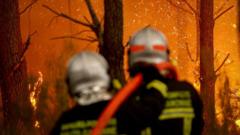
Wildfire technology has revolutionized how authorities detect and monitor emerging fires across vast landscapes. While advanced surveillance systems and artificial intelligence now play a crucial role in early warning mechanisms, firefighters continue to remain indispensable in the actual suppression and control of active blazes. The integration of cutting-edge monitoring tools alongside traditional emergency response methods represents a comprehensive approach to wildfire management in the modern era.
Early Detection Systems and Monitoring Solutions
Modern wildfire detection systems utilize satellite imagery, thermal imaging cameras, and drone technology to identify potential fire sources before they spread uncontrollably. These technological innovations enable emergency services to spot smoke and heat signatures across expansive terrain that would be impossible to monitor manually. Remote sensing equipment provides real-time data that helps fire prevention teams locate ignition points quickly and efficiently.
Artificial intelligence algorithms analyze patterns from weather data, vegetation conditions, and historical fire records to predict high-risk zones. Machine learning systems process vast amounts of environmental information, identifying areas where wildfires are most likely to develop. This predictive capability allows fire departments to position resources strategically and prepare communities in vulnerable regions.
The Limitations of Automated Systems
Despite technological advances, automated detection systems cannot replace human judgment and physical intervention. Wildfires require active suppression efforts that demand trained personnel, specialized equipment, and ground-level expertise. Firefighters assess complex environmental factors, coordinate evacuation procedures, and execute tactical decisions that protect lives and property.
Technology provides firefighters with enhanced tools and information, but human decision-making remains critical. Advanced surveillance helps crews understand fire behavior, wind patterns, and terrain challenges, enabling more effective response strategies. The combination of technological data and firefighter expertise creates a more comprehensive emergency management system.
Wildfire Prevention Through Technology
Fire prevention programs increasingly incorporate technology to reduce wildfire risk. Sensor networks detect abnormal heat sources in forests, while mobile applications report suspicious activity or unattended fires. These systems alert authorities to potential hazards before situations escalate into major disasters.
Thermal imaging drones survey remote areas, providing comprehensive assessments of vegetation density and moisture levels. This information helps land management agencies implement controlled burns and fuel reduction projects more effectively. Predictive modeling assists in resource allocation, ensuring firefighting teams are positioned optimally throughout fire season.
The Irreplaceable Role of Firefighters
Firefighters bring irreplaceable capabilities that technology cannot replicate. Their training enables them to make split-second decisions in dangerous, unpredictable situations. Ground-level observations, tactical judgment, and coordinated team efforts are essential for containing fires and protecting communities.
Emergency response personnel manage evacuation procedures, conduct rescue operations, and manage complex logistics during active fire incidents. Firefighters interface directly with affected residents, provide real-time updates, and adapt strategies based on changing conditions. Their experience and situational awareness cannot be automated or replaced by monitoring systems.
An Integrated Future for Fire Management
The future of wildfire management depends on seamless integration between technological innovation and skilled firefighting personnel. Enhanced detection systems provide firefighters with superior intelligence, enabling faster response times and more targeted suppression efforts. Communication networks connecting surveillance equipment with emergency crews create coordinated operations that leverage both automated insights and human expertise.
Investment in both technological infrastructure and firefighter training represents the most effective path forward. As climate change increases wildfire frequency and intensity, this dual approach—combining advanced monitoring with experienced emergency responders—offers the best protection for communities and ecosystems. The question is not whether technology will replace firefighters, but rather how these complementary resources can work together more effectively to combat an escalating natural disaster challenge.


