
Trump Administration Allocates $1.2 Billion to German Firm RWE to Halt US Wind Projects
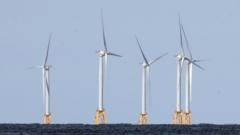
Trump Administration Commits $1.2 Billion to RWE for Wind Project Termination
The Trump administration has announced a substantial financial commitment to halt ongoing wind development initiatives across the United States. This Trump administration wind projects decision represents a pivotal shift in renewable energy policy, with the German energy corporation RWE receiving a comprehensive $1.2 billion settlement package.
The agreement marks a significant reversal in America's approach to wind-based power generation, aligning with the administration's long-standing skepticism toward alternative energy sources. RWE, one of Europe's largest energy providers, has accepted the settlement to discontinue its operational and planned wind ventures throughout various American territories.
Understanding the RWE Settlement and Its Scope
The financial arrangement between the Trump administration and the German firm represents unprecedented intervention in renewable energy project development. RWE had invested considerable resources into multiple wind initiatives across different American states, making the $1.2 billion compensation package a substantial commitment from federal authorities.
This particular transaction is designed to facilitate the immediate cessation of active wind farm operations and prevent commencement of newly approved projects. The scope encompasses offshore and onshore installations, affecting numerous communities and regional energy infrastructures that had been planning around wind power availability.
Part of a Broader Campaign Against Wind Energy
The RWE agreement forms part of a comprehensive strategy to eliminate wind-based electrical generation across American territories. Multiple comparable transactions have been negotiated with other energy corporations operating wind facilities, establishing a pattern of systematic dealmaking focused on project cancellation.
The Trump administration has consistently positioned wind power as an unreliable and environmentally controversial energy source. Previous public statements have characterized wind projects as inefficient investments that drain resources from alternative energy development pathways. This philosophical opposition has now translated into concrete financial arrangements with major energy providers.
Historical Context of Trump's Opposition to Wind Energy
The administration's antagonism toward wind power is not a recent development but represents a long-standing ideological position. Throughout his political career, Trump has publicly criticized wind energy projects, citing concerns about visual impact, bird mortality, and economic viability. These objections have now crystallized into active policy measures backed by substantial government expenditures.
Wind energy advocates argue that such positions ignore the sector's growing technological improvements and declining operational costs. However, the Trump administration's position prioritizes different energy sources and development strategies, leading to the aggressive cancellation approach reflected in the RWE agreement.
Implications for the American Energy Sector
The $1.2 billion settlement with RWE signals major disruptions for America's renewable energy landscape. Thousands of jobs associated with wind farm construction, operation, and maintenance face potential elimination. Communities that had structured economic development plans around wind power presence must now reassess energy strategies and employment projections.
Energy markets will likely experience significant restructuring as wind power infrastructure projects are systematically discontinued. Other renewable energy companies may anticipate similar governmental pressures, potentially accelerating negotiations for comparable settlement arrangements. The broader implications extend to America's climate commitments and international energy policy positioning.
Financial and Economic Considerations
The $1.2 billion expenditure represents a substantial allocation of federal resources directed toward project termination rather than development. Critics question the economic rationale for compensating corporations to abandon investments, arguing such arrangements represent inefficient government spending.
Proponents of the administration's approach contend that eliminating wind infrastructure prevents long-term economic drain and redirects investment toward more productive energy generation methods. The debate surrounding this financial arrangement reflects broader disagreements about renewable energy policy, environmental priorities, and government's appropriate role in energy market development.
Looking Forward: Future Developments in US Energy Policy
The RWE settlement establishes precedent for additional cancellation agreements with other wind energy operators. Industry observers anticipate further announcements regarding comparable transactions with American and international energy corporations operating US wind facilities.
The Trump administration's commitment to systematic wind project elimination suggests energy policy will prioritize alternative generation methods for the foreseeable future. This directional shift affects investment decisions, corporate planning, and community energy infrastructure development strategies across numerous American regions.


