
Trump Implements 15% Tariff on Critical Semiconductor Material Against China
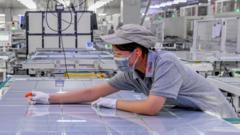
Trump Institutes 15% Tariff on Semiconductor Material
In a significant move to fortify domestic technological capabilities, Trump's administration has unveiled a new trade measure imposing a 15% tariff on critical chip material. This strategic decision reflects growing concerns about the competitive landscape within the semiconductor sector and represents a decisive step to defend American interests in a highly contested global market.
Protection Against Intensifying Chinese Competition
The implementation of Trump's 15% tariff on semiconductor materials is primarily designed to shield United States-based manufacturers from the mounting pressures posed by China's rapidly expanding chip industry. American semiconductor companies have increasingly expressed concerns about their ability to maintain market dominance as Chinese competitors invest heavily in technological advancement and manufacturing capacity.
Strategic Importance of the Measure
By imposing tariffs on key materials essential to chip production, the administration aims to level the playing field for domestic producers. This approach seeks to make Chinese semiconductor products less competitive in American markets while simultaneously encouraging investment in domestic manufacturing infrastructure. The tariff represents part of a broader effort to revitalize the United States semiconductor industry, which has faced significant challenges from international competitors.
Impact on American Semiconductor Firms
For US chip manufacturers, this tariff policy offers substantial protective measures during a critical period of technological development. Companies operating within the American semiconductor sector have long advocated for government intervention to counteract what they perceive as unfair competitive practices originating from overseas markets. The Trump administration's decision to implement the 15% tariff responds directly to these industry concerns, providing financial incentives for businesses to maintain or increase production within United States borders.
Market Dynamics and Global Competition
The semiconductor industry operates within an increasingly complex global environment where technological superiority and manufacturing efficiency determine competitive advantage. Chinese firms have made substantial investments in recent years, developing advanced capabilities that directly compete with established American manufacturers. By implementing tariffs on critical materials, Washington aims to preserve American technological leadership and prevent the further erosion of domestic market share.
Broader Trade Policy Implications
This tariff decision extends beyond simple protectionism; it reflects a comprehensive strategy to reshape international trade relationships. The administration's approach focuses on identifying critical industries where American interests require governmental protection. The semiconductor sector qualifies as essential infrastructure, given its fundamental importance to national security, defense capabilities, and economic competitiveness across multiple sectors.
Supply Chain Considerations
The imposition of tariffs on semiconductor materials also addresses concerns about supply chain vulnerability. Diversifying sources of critical materials and reducing dependence on potential adversaries represents a key objective of contemporary trade policy. By making domestic production more economically viable, the tariff encourages companies to establish or expand manufacturing facilities within the United States rather than relying on foreign suppliers.
Industry Response and Market Expectations
Semiconductor manufacturers and industry analysts have responded to this policy announcement with mixed reactions. While some segments of the American chip industry welcome protective measures, others express concerns about potential cost increases and retaliatory measures from trading partners. Nevertheless, the Trump administration maintains that short-term adjustments represent necessary sacrifices for long-term industrial resilience and technological independence.
The implementation of this 15% tariff on semiconductor materials marks a significant intervention in global technology markets, signaling the administration's commitment to supporting American chip manufacturers during a period of intensifying international competition. As the policy takes effect, its actual impact on pricing, investment decisions, and competitive dynamics will become clearer, shaping the future trajectory of the American semiconductor industry.


