
Trump Issues Fresh Tariff Warning Over Cross-Border Wildfire Smoke
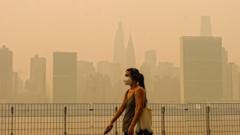
Trump Threatens Trade Action Over Cross-Border Wildfire Smoke
A major diplomatic tension has emerged as Trump threatens Canada with tariffs over the impact of wildfires sending significant quantities of smoke across the US border. The escalating situation highlights deepening disagreements between the two nations regarding environmental responsibility and air quality management during severe fire seasons.
The controversy centers on smoke from Canadian wildfires affecting air quality in multiple US cities. Trump has characterized the air quality crisis as unacceptable and suggested that tariff implementation could serve as leverage to pressure Canada into taking stronger preventive measures against uncontrolled fire spread.
Carney's Position on Shared Climate Responsibility
Canadian leader Mark Carney has responded to the escalating tensions by asserting that both nations share equal responsibility for addressing climate change. Carney's statement underscores Canada's perspective that environmental challenges transcend borders and require coordinated international efforts rather than unilateral trade penalties.
Carney emphasizes that tackling the root causes of increased wildfire frequency demands a comprehensive approach involving both countries. His position suggests that tariffs would not address the underlying environmental factors contributing to more severe fire seasons across North America.
Expert Analysis on Wildfire Intensification
Climate and environmental specialists have provided crucial insights into why wildfire conditions appear to be worsening across the continent. These experts point to multiple interconnected factors driving the escalation, including rising temperatures, extended drought periods, and altered precipitation patterns consistent with broader climate change trends.
Research indicates that wildfires in both the US and Canada have grown more frequent and intense over recent decades. The longer fire seasons, increased fuel availability in forests, and changing weather patterns create conditions where smoke dispersal across international boundaries becomes an increasingly common occurrence.
Cross-Border Environmental Challenges
The smoke infiltration issue represents a broader challenge in managing transnational environmental impacts. Air quality degradation from Canadian wildfires affects American citizens and businesses, particularly in states near the northern border. Communities have reported significant health concerns, school closures, and economic disruptions due to hazardous air quality conditions.
Conversely, fire management practices and climate mitigation strategies require cooperation that transcends political boundaries. The interconnected nature of weather systems means that environmental conditions in one country directly impact neighboring regions, making unilateral actions potentially ineffective.
Trade Tensions and Policy Implications
Trump's tariff threats represent a shift toward using trade policy as a tool for environmental enforcement. This approach raises questions about the effectiveness of economic penalties in addressing complex climate-related issues that demand scientific and collaborative solutions.
The dispute between Trump and Canadian leadership illustrates divergent approaches to environmental governance. While Canada advocates for joint responsibility and coordinated climate action, the US administration signals willingness to implement protectionist measures as pressure tactics.
Moving Forward: Climate Cooperation or Trade Conflict
The escalating situation underscores the need for bilateral dialogue focused on concrete environmental solutions. Both nations possess significant resources and expertise that could address wildfire prevention, forest management improvements, and emissions reduction initiatives.
Whether this controversy evolves into constructive environmental cooperation or sustained trade conflict remains uncertain. The stakes extend beyond diplomatic relations to encompass public health, economic stability, and the long-term sustainability of North American ecosystems facing unprecedented climate pressures.


