
Trump's Trade Tariffs Deemed Major Miscalculation by Canadian PM
Trump's Trade Tariffs Spark International Dispute
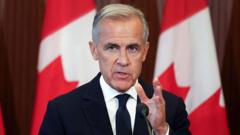
In a significant development regarding Trump's tariffs, Canada's Prime Minister has characterized the new duties as a strategic miscalculation that threatens to escalate tensions between the two nations. The assessment comes in the aftermath of unsuccessful trade discussions, marking a critical moment in bilateral economic relations.
The Canadian leader stated he was proceeding with retaliatory measures reluctantly, expressing deep concerns about the direction of international commerce. His decision to implement counter-tariffs reflects mounting frustration with what officials describe as unilateral trade actions initiated by Washington.
Analysis of the Trade Dispute
The collapse of recent negotiations has left both countries at an impasse. Trump's tariffs represent a departure from previous trade agreements and have prompted swift responses from major trading partners. The Canadian government's announcement of reciprocal duties signals a hardened stance in what many observers now characterize as a developing trade war.
Industry analysts suggest that Trump's tariffs could have far-reaching consequences for cross-border commerce, supply chains, and consumer prices. The timing of these duties, coupled with the failure of diplomatic discussions, has intensified concerns about economic stability in the region.
Canadian Government Response
Officials in Ottawa have made clear that the implementation of counter-measures was not their preferred outcome. However, they argue that Canada must protect its economic interests when faced with what they view as protectionist policies. The reluctant nature of their response underscores the complexity of managing trade relationships with a dominant economic partner.
The Prime Minister's characterization of Trump's tariffs as a miscalculation suggests that Canadian leaders believe these duties will ultimately prove counterproductive. Such assessments are based on economic modeling that predicts negative consequences for American consumers and businesses that depend on Canadian imports.
Broader Economic Implications
The breakdown in negotiations and subsequent imposition of Trump's tariffs raises questions about the future of trade cooperation in North America. Both nations have significant economic interdependencies, making prolonged trade tensions problematic for workers and businesses on both sides of the border.
Economists warn that a sustained trade conflict could dampen economic growth, reduce employment opportunities, and increase costs for consumers. The uncertainty created by ongoing tariff disputes also makes business planning and investment decisions more challenging for companies operating in cross-border supply chains.
Looking Ahead
As the situation develops, attention remains focused on whether diplomatic channels might reopen. The Canadian government has indicated openness to renewed discussions, though current positions appear far apart. The impact of Trump's tariffs will likely continue to dominate bilateral relations and international trade discourse in coming months.


