UK Airlines Face Ban on Child Seating Charges
Government Moves to Stop Airlines Charging for Child Seating
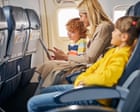
The UK government has announced comprehensive plans to prevent airlines from imposing additional fees on parents seeking to sit with their children during flights. This UK airlines seating charges ban represents a significant shift in consumer protection, directly addressing what many travelers view as exploitative pricing practices that disproportionately affect families traveling with young children.
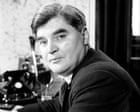
Transport Secretary Andy Burnham has positioned this initiative as part of a broader campaign against what he describes as 'little charges that add up'—the accumulation of seemingly minor fees that substantially increase the final cost of air travel for ordinary passengers. The proposed legislation targets one of the most contentious practices in the aviation industry, where families have been forced to pay premium prices simply to ensure their young children sit adjacent to a parent during flight.
Details of the Proposed Seating Rule Changes
Under the new regulations, airlines operating within UK airspace would be legally required to allocate seats free of charge for passengers aged under 14 years old next to their accompanying parent or designated adult guardian. This mandatory provision effectively eliminates the financial barrier that currently prevents many families from maintaining together during their journey.
The regulation specifically targets the practice of charging for 'family seating' options, which have become standard revenue streams for many carriers. Rather than relying on airlines' voluntary initiatives or goodwill arrangements, the government would establish a binding legal requirement applicable across the entire UK aviation sector.
Additional Consumer Protection Measures
Beyond addressing child seating arrangements, the government's package of reforms includes provisions protecting passengers from charges related to minor booking corrections. Under the new rules, travelers will no longer face fees when correcting small errors on their flight reservations, such as misspellings of names or other administrative mistakes that don't fundamentally alter the booking's validity.
This provision recognizes that passengers frequently discover such errors only when checking in or preparing travel documentation, and correcting them should not trigger additional financial penalties. Airlines would be required to absorb these minimal administrative adjustments as part of their standard service.
Context Within Broader Consumer Rights Campaign
The UK airlines seating charges ban represents part of Andy Burnham's wider initiative to reform airline pricing practices and enhance passenger protections. His focus on cumulative 'hidden charges' acknowledges consumer frustration with the airline industry's tendency to add substantial fees beyond the advertised base ticket price.
These supplementary costs—encompassing seat selection, baggage allowances, family seating, name changes, and various other services—often transform what appears as an affordable flight into a significantly more expensive proposition. Burnham's approach targets the systemic nature of this practice, viewing it as requiring legislative intervention rather than relying on market self-regulation.
Impact on the Aviation Sector
The proposed legislation would create uniform standards across UK airlines, preventing carriers from using differential seating policies as competitive pricing tools or revenue optimization mechanisms. This standardization aims to level the playing field for consumers while establishing baseline expectations for passenger treatment.
Airlines currently employing dynamic pricing for family seating would face the most significant operational adjustments, as they would lose revenue from a practice many have come to consider routine. However, proponents of the reform argue that mandatory free family seating represents a reasonable baseline standard that prioritizes child welfare and family integrity over airline profit maximization.
Government's Rationale and Timeline
The government's position reflects growing recognition that certain airline practices warrant regulatory intervention to protect vulnerable passenger groups. Children traveling alone or separated from their guardians during flights represents a genuine safety and welfare concern that transcends purely commercial considerations.
The specific inclusion of name correction fees in this legislative package suggests the government views even minor administrative charges as part of a broader pattern of extracting maximum revenue from passengers. By eliminating such fees alongside the child seating prohibition, the legislation takes a comprehensive approach to consumer protection in air travel.
Future Implications for UK Aviation Regulation
This regulatory initiative signals the government's willingness to intervene in airline business practices where consumer interests are deemed to be inadequately protected through market mechanisms alone. The legislation may establish precedent for additional passenger protection measures, particularly regarding transparency and fairness in pricing structures.
The UK airlines seating charges ban could influence aviation policy discussions in other European nations and potentially contribute to broader international standards regarding airline passenger treatment and pricing fairness. As aviation regulators worldwide grapple with similar consumer complaints, UK regulatory innovation may provide a template for alternative approaches to addressing systematic practice issues within the airline industry.