
UK Band Responds to Singapore Concert Ban Following Palestine Advocacy
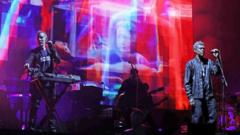
Band Reacts to Asian Concert Cancellation
A prominent British musical group has publicly responded to their concert cancellation in Singapore, addressing what they describe as an unexpected and regrettable decision by local authorities. The Singapore concert ban Palestine incident has sparked international debate about artistic freedom and political expression in live performances.
The electronic duo expressed their feelings through an official statement, indicating they were taken aback by the manner in which the situation was handled. Officials in Singapore had moved to prevent the scheduled performance following remarks made during the event that referenced Palestinian rights and solidarity movements.
Details of the Controversial Performance
During their live concert in the Southeast Asian city-state, performers made vocal declarations supporting Palestinian causes. These statements, delivered from the stage, prompted rapid intervention by concert organizers and local authorities. The Singapore concert ban Palestine decision came shortly after these remarks were broadcast to attendees.
The band members stated they found the response unjust and heavy-handed. In their public commentary, they questioned whether such actions represented an appropriate response to artistic expression and political speech made within the context of a musical performance. The incident raises significant questions about the relationship between entertainment venues, government oversight, and freedom of expression in the region.
International Response and Implications
The cancellation has garnered attention from free speech advocates, music industry professionals, and human rights organizations across the globe. Many commentators have questioned whether concert venues should be permitted to restrict performances based on political statements made by artists.
Music industry observers note that this situation reflects broader tensions in Southeast Asia regarding political expression and artistic freedom. Several international media outlets have covered the story, presenting various perspectives on whether the cancellation was justified or an overreaction to protected speech.
The Band's Official Statement
In their response, the musicians emphasized their shock at being treated in what they characterized as an unfair manner. They stressed that expressing solidarity with Palestinian people and movements should not result in performance restrictions. The band questioned the standards being applied and whether other performers had faced similar treatment for comparable statements.
The artists further noted that they had not anticipated such a harsh response from Singapore authorities, suggesting they believed their remarks would be protected as artistic expression. They expressed disappointment at what they saw as a narrow interpretation of regulations governing public performances and political speech.
Context of Political Expression in Performances
Throughout history, musicians and performers have used their platforms to advocate for various political causes. Some venues and governments have embraced this tradition, while others have implemented restrictions on such expressions. The Singapore concert ban Palestine situation exemplifies ongoing debates about where such boundaries should be drawn.
Industry experts point out that performers frequently incorporate political messaging into their work, from social justice causes to environmental advocacy. The question of what constitutes acceptable political expression at concerts varies significantly across different countries and cultural contexts.
Broader Implications for Artists and Venues
This incident may influence how performers approach live shows in Singapore and similar jurisdictions. Artists may become more cautious about making political statements during performances, potentially affecting the nature of live entertainment in these regions. The Singapore concert ban Palestine case serves as a cautionary tale for musicians considering what to express during international tours.
Venue operators and promoters also face increased pressure to establish clear guidelines about what political expression is permitted at concerts. Some argue that such clarity would help prevent future incidents, while others contend that restrictions limit artistic freedom and create a chilling effect on performers' willingness to engage with important social issues.
Looking Forward
The band has not announced whether they plan to return to Singapore or appeal the decision. Industry observers will be watching to see how other performers respond to this precedent. The incident may prompt discussions within the music community about standards for international performances and the balance between respecting local regulations and maintaining artistic freedom.
The Singapore concert ban Palestine controversy continues to generate conversation about the proper relationship between government authorities, entertainment venues, and artists' rights to express political views through their work.


